
You know what’s super fun? Digging into the nitty-gritty of what genres of music people are totally loving or absolutely hating. It’s a real eye-opener!
Sometimes we vibe on the same wavelength, other times I’m left scratching my head, wondering how they can hate such awesome genres.
But when the Billboard charts, sales, independent studies, and streaming numbers start to paint the same picture, it hits you – people really can’t stand these genres. They give them a shot and then it’s like, “Nope, not for me!” It’s as if they’re allergic or something.
The most shocking, and somewhat sad thing I found when I was doing my homework for this piece? Jazz is one of the most disliked genres of all time. I was like, “Say what now?!” I mean, I went to Berklee College of Music. I love jazz! Whenever I’m at a jazz club, everyone seems to be digging it.
Then it hit me – those jazz clubs seat, what, maybe 50 people? And it’s true, a lot of my jazz musician buddies had to switch it up and get into pop or film music to make ends meet.
So, here’s my little disclaimer: Even though this is all backed up with research, it’s still all about personal taste, right? Everyone’s just sharing their two cents about why they can’t stand certain types of music.
Because, at the end of the day, beauty – or in this case, a sick solo – is in the eye (or ear) of the beholder.
Table of Contents
1. Country
Let’s dive into a genre that isn’t everyone’s cup of tea – country music. While it seems quite popular in certain circles, boasting superstars, award shows, and an impressive catalog of platinum artists, country music is predominantly an American genre.
A fun fact is that Keith Urban, hailing from Australia, is one of the rare international country stars who’ve made it big.
One of the reasons country music might be universally hated is because it carries a political undertone. Born in the deep south and Midwest American towns, it represents areas often seen as controversial due to their lack of diversity, allegations of racism, and conservative views.
A 2004 Gallup poll indicated that over 60% of country music fans lean towards the Republican party, and it’s only grown from there. This probably wouldn’t have raised many eyebrows a decade ago, but in the current climate, with most Republicans being seen as Pro-Trump supporters, this connection cannot be overlooked.
While this connection may not sit well with everyone, especially in countries without a strong Trump support base, it also contributes to country music’s worldwide rejection.
On a purely musical note, some might say that country music combines elements of pop, blues, bluegrass, and Americana, which may not always strike the right chord. Sure, there’s some quality songwriting, but the quintessential twang and lyrics about whiskey and farmlands might not resonate with everyone. But hey, to each their own!
2. Mumble Rap
Welcome to the world of a rather new genre, a unique blend of electronic music, rap, trap and a touch of R&B. Maybe you’ve heard it called ‘mumble rap’, and wondered what on earth that could be.
Interestingly, despite getting a lot of flak from major industry publications like Billboard Magazine, Variety, and even Time Magazine – who have gone as far as calling the genre ‘pure trash’ – it’s only served to draw more attention to it.
So, if you’re still scratching your head about what I’m talking about, let me fill you in. Mumble rap features artists like Drake, Travis Scott, 6lack, Offset, and many more who are considered “superstars”. They’ve earned the name ‘mumble rap’ due to a unique performance style.
These artists tend to sing softly, often sticking to a simple three or four-note hook that they can manage. They lack vocal power, so they blend rapping, talking, and singing into a distinct mumble.
Adding to the uniqueness of the genre, many of these artists are known for their recreational drug use, which can intensify the mumbling effect when they perform.
I’ve always found it a bit perplexing how Drake climbed to superstardom, but he’s a bit of an anomaly. Despite the fact that he sells a ton of records and is one of the biggest artists in the world, the genre is still filled with a lot of artists trying to make it big – with a failure rate above 95%.
3. Metal
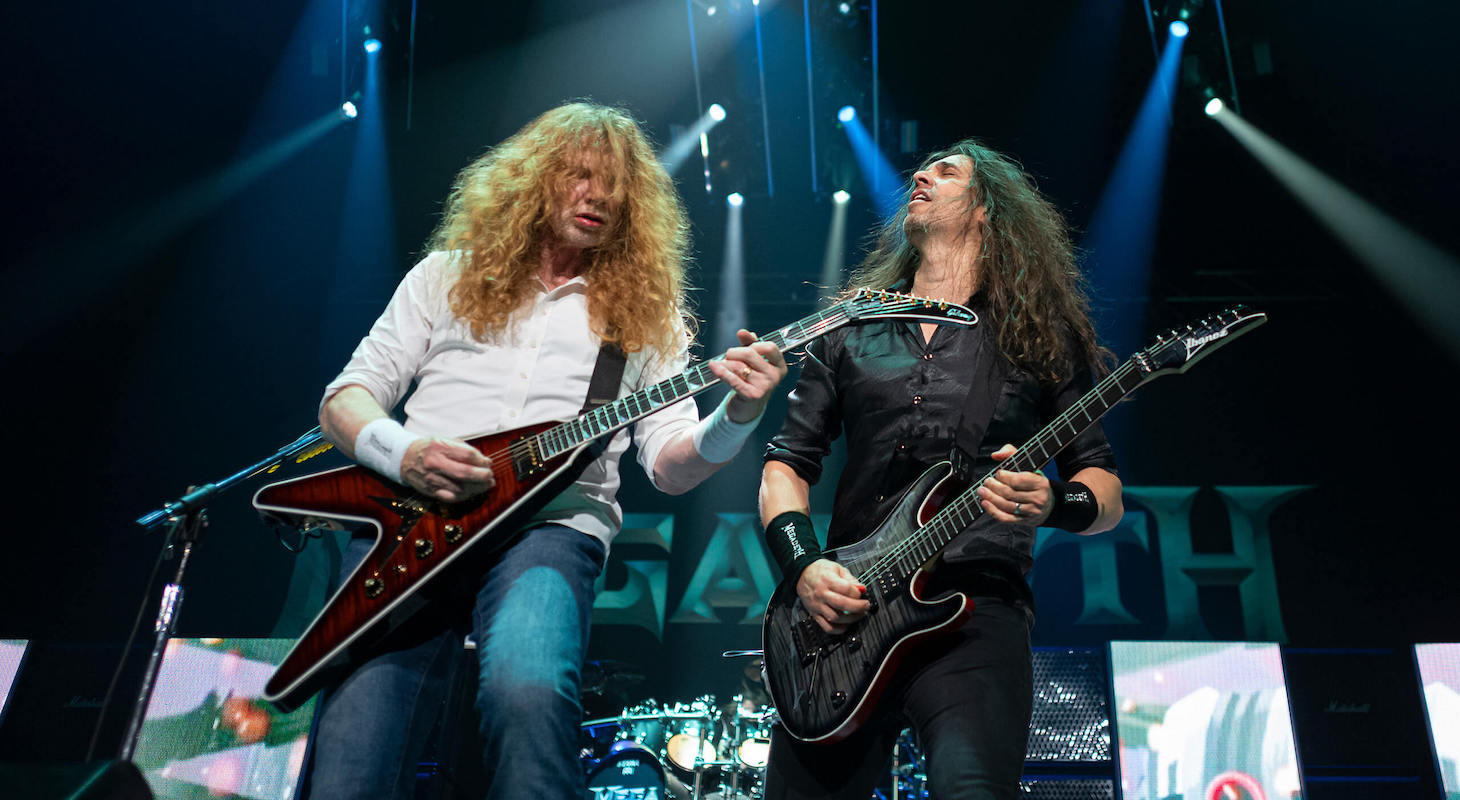
Remember the glorious days of metal in the ’80s? Bands like Metallica and Megadeth were the heart and soul of the genre. However, after the hair-rock era, things started to shift.
One of the biggest draws was the unforgettable tours these bands embarked upon, with their elaborate stage setups and mind-blowing sound systems.
Just like any culture, metal had its shifts too. The younger generation started to connect with the music differently.
Now, it’s a bit of a stretch to say that consistently good metal songs are being written nowadays. This isn’t to dismiss current bands, but more about recognizing the decline of the genre.
There are sub-genres like death metal that are so intense and fast-paced, you might find it hard to catch what the vocalist is saying. That’s not a critique, it’s just facts.
The days of James Hetfield from Metallica belting out powerhouse metal songs may be in the past, but that doesn’t mean the genre is lost. Metal has become a genre steeped in nostalgia, reminding us of the boy band era of the early 90s.
It’s kept alive through festivals and multi-act tours where classic bands reunite for epic tours, bringing back the golden days of metal for fans old and new.
Still, its aggressive nature has made it a popular genre to hate on.
4. Reggaeton
The next genre is intriguing because it could be considered the most outdated of all Latin genres. This Dancehall beat mixed with Latin rap has been around since the late 80s and, surprisingly, hasn’t evolved at all.
The mixing, production, and songwriting quality all sound the same as they did 20 years ago. However, there are always outliers or superstars in any genre, making it seem like many people appreciate this music.
Take, for example, the recent successes of Luis Fonsi’s “Despacito” and Bad Bunny. It might lead you to believe that young people are enamored with the genre, and that it could potentially take over the world.
But it’s more of a cultural phenomenon. These artists produced a song that was marketed correctly to the Latino community, and it crossed over to become a global sensation.
In many ways, it’s similar to some of Ricky Martin’s biggest hits like “Livin’ La Vida Loca” or “The Cup of Life”. Both songs were marketed as hype songs for the World Cup and, like the famous “Macarena” before them, seemed perfect for coordinated dances on the dance floor.
However, outside of Latin America and among Latinos in the US, this type of music is generally disliked, especially in Europe.
5. Pop
Now let’s chat about the biggest, yet surprisingly disliked genre in the world – pop. Remember, pop simply stands for ‘popular music’.
You might be wondering, “How can the most popular genre also be the most hated one?” I get that question a lot, especially from my non-musician friends, when I playfully tease them about their musical preferences over dinner or during friendly banter.
Well, here’s the thing – our world is home to a LOT of people!
So, if we take a wild guess and say that out of the 6 billion people in the world, about 600 million enjoy pop (which seems pretty accurate according to Spotify’s data), then that leaves us with more than 5 billion people who don’t like pop.
So yes, while around 10% of the population enjoys pop, a whopping 40% or more aren’t fans. And there you have it!
But what is ‘Pop’? It’s quite tricky to pin down because it encompasses numerous sub-genres, some of which I’ll touch upon later as they’re also not universally loved.
In a nutshell, Pop is a formula cooked up by record labels and a handful of influential record producers. Their aim? To churn out and repeat hits that have shown to be commercially successful in the past.
And this isn’t just my take on it; many studies have dissected hits over the decades and found striking similarities between them.
It’s like a clever echo of a song that was already a little bit annoying. I might be coming off as harsh, but I just want to highlight that creating music solely for profit can overshadow the art form itself.
6. K-Pop
K-pop, short for Korean pop, is a music genre that’s gaining popularity under the broad pop umbrella, particularly in Korea and the US.
Why is K-pop often criticized? A major reason is that bands like BTS and BLACKPINK, the latter being a female counterpart, are perceived as highly manufactured, resembling assembly-line products.
Take a moment to examine the album covers of these bands. It’s alleged that many band members have resorted to plastic surgery to appear more Western, mirroring their predecessors like ‘NSYNC and the Backstreet Boys.
Another point of criticism is the seemingly outdated correlation between their outfits, appearance, hair color, and their overall polished personas. K-pop can be described as a blend of the Kardashians and One Direction.
The genre is heavily reliant on marketing, which can be off-putting for some. Another irritant for critics is that despite their limited English proficiency, these bands continue to target the American market, given that they share producers with artists like Dua Lipa and Lady Gaga.
7. Norteño/Mexican Cumbia
Think of Norteño music as Mexico’s version of country music. It’s the soundtrack of the people, often bumping from construction sites in cities where there’s a big Mexican workforce.
Imagine a mix of German polka and mariachi, that’s what this genre sounds like. Mariachi music is usually all lovey-dovey and upbeat, while Norteño and Cumbia are more no-nonsense and often have the same kind of beat.
Norteño music typically kicks off with an accordion riff, and tubas laying down the bass. It’s kinda like a mini marching band, but with an accordion and a mariachi singer, which might strike you as a bit out there.
But, not everyone’s a fan. Some folks link it to the Mexican cartels, who have been known to use this type of music to spread messages about their violent deeds. The lyrics can get pretty dark, often talking about crimes and horrific acts.
8. Jazz
It’s a bit of a disappointment to put jazz on the list of least popular genres, but the facts are undeniable. Jazz is, indeed, the least listened to genre in the US.
Now, that doesn’t mean people hate it. It’s just not as mainstream. It’s often compared to classical music in its complexity, which can be challenging for those of us with shorter attention spans.
The real kicker is the invention of smooth jazz. Artists like Kenny G, Boney James, and even the occasional Michael Buble have, unfortunately, given jazz a cheesy reputation. There are people out there who compare smooth jazz to subpar sketchy hot tub music.
Smooth Jazz is what people truly hate when they criticize jazz.
I can see where they’re coming from. Those reverb-drenched saxophones can come off a bit strong. Many jazz musicians aren’t fans of the “smooth” label, but with so many jazz instruments in the mix, the name has stuck.
9. New Age
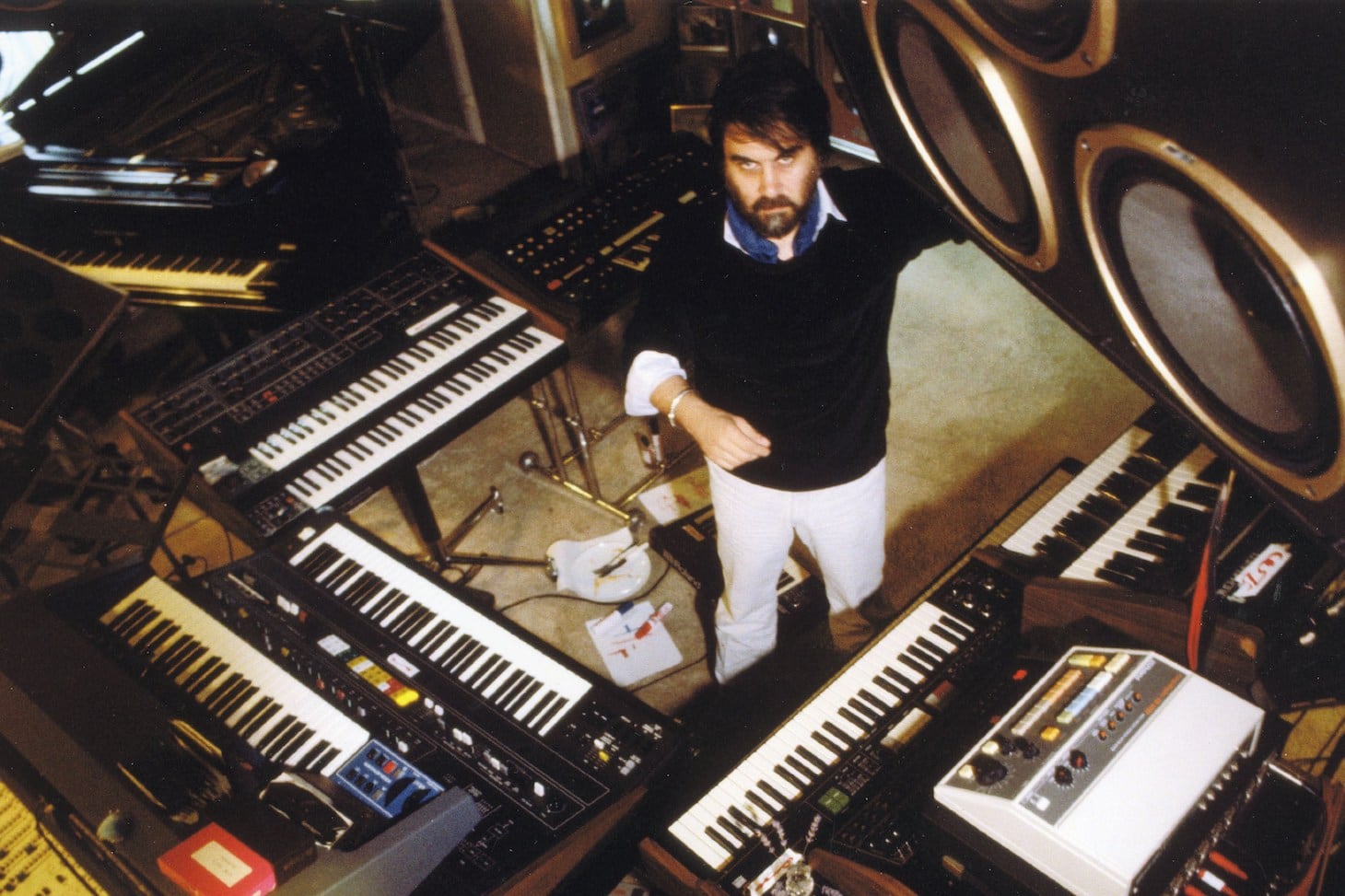
Remember the days when New Age music was a big deal, with artists like Vangelis, Kitaro, and Mannheim Steamroller? Now, it’s more like the soundtrack to your grocery shopping or elevator ride.
It’s the chill vibes you catch during a spa massage, and it’s all over Spotify and Apple Music, where it’s often mislabeled as classical.
New Age music has morphed into a messy mix of ambient, neo-classical piano, and electronic drone music. It’s become the go-to label for tunes that don’t fit neatly into a category and don’t need vocals.
Even though it’s a bit of a mishmash, and some tracks don’t really belong, it’s a top pick for folks who crave soothing tunes for studying or chilling out.
Some people think it’s just watered-down classical music with cheesy synths instead of a full orchestra, and that’s led to a lot of hate and shade-throwing.
And the people who love it? They might be a little shy about saying so, which makes it seem like no one’s really into it.
Final Thoughts: Haters Gonna Hate
We’ve all been there, right? That moment when you have to explain why you don’t groove to certain types of music. For us musicians, it’s an even trickier conversation.
Some folks assume we’re dissecting music from a purely intellectual perspective, rather than feeling the rhythm and emotion. But hey, that’s a bit of a misunderstanding.
Believe me, as musicians, we feel the music perhaps even more deeply. After all, we’ve chosen to make music our life’s work.
We’re in the thick of it, trying to understand the industry, what success looks like, and how to know when we’ve created something truly special.
Engaging in these debates as musicians can feel like a no-win situation. But if you take a step back and look at what’s happening across these genres, you might find that the issue often boils down to the songs themselves.
Most songs, including jazz, produce music with their specific audiences in mind. In doing so, they inadvertently create an opposite, and that, my friends, can be seen as the downside of having genres in the first place.
Music should be inclusive, not exclusive.

Tomas Morton you called 6lack a mumble rapper, he is straight up a R&B singer, Drake and offset are also not mumble rappers, stop listening to Eminem please, your lack of knowledge is embarrassing.