
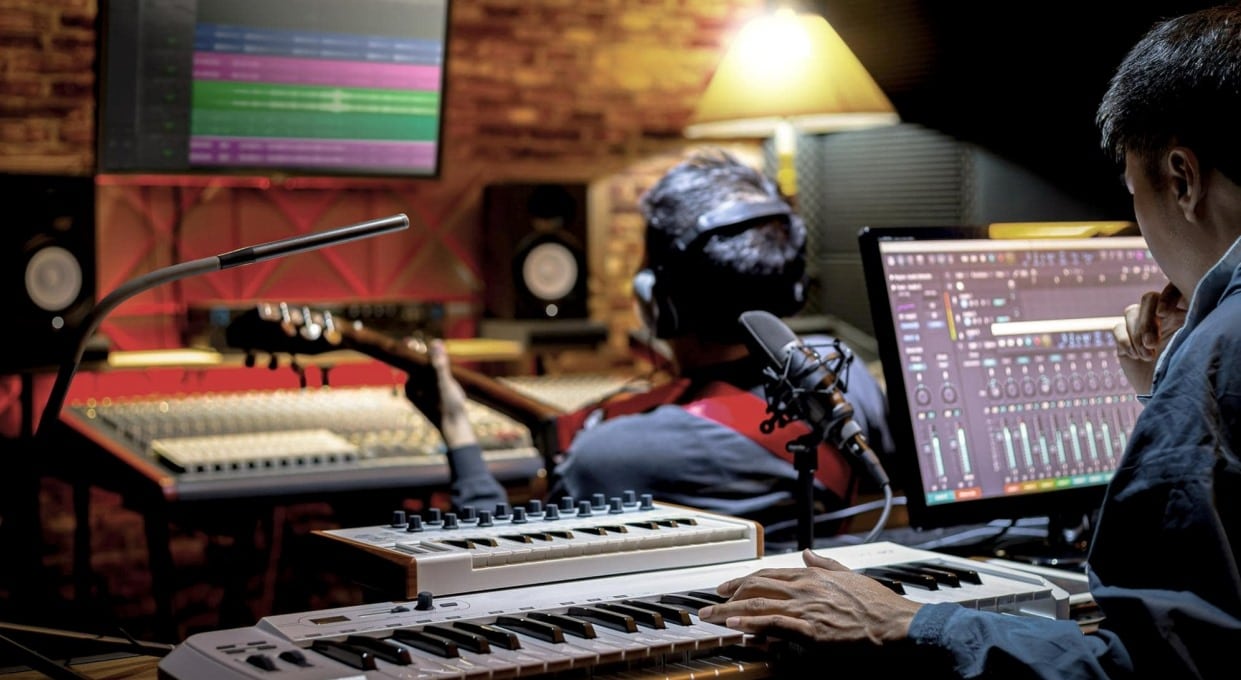
You’ve probably heard the term “music producer” thrown around a lot in the music scene. It seems like anyone who can whip up a beat on their laptop gets called a producer these days.
But trust me, there’s a lot more to it than that! Just think about big names like Pharrell, Max Martin, and Quincy Jones. They didn’t earn their fame just by fiddling around on a computer.
To truly wear the proud title of a music producer, you’ve got to have a whole bunch of skills up your sleeve. You need to be a wizard at songwriting and arrangement, understand the ins and outs of a plethora of instruments, and know just when and how to use them depending on your musical style.
As a music producer, you’re also the rock for the vocalist, guiding and directing them to give their best performance. You’re the gatekeeper, the therapist, and the decision maker, all rolled into one.
You choose which tracks to produce, which vocal takes to keep, and manage everyone’s emotions to keep the harmony flowing.
And guess what? Some producers are also the artists!
Yep, they’re a one-man band, creating their own tracks from start to finish, sometimes even in the comfort of their own bedrooms. These super talented folks often double up as the engineer and mixing engineer too.
But hey, nobody’s perfect! We all make mistakes. And when it comes to music production, some common ones can lead to tunes that are a bit… well, flat.
Remember, though, music is subjective. One person’s trash could be another’s treasure. But let’s be honest, even kids can tell when a song just isn’t hitting the right notes.
So, let’s tackle this head-on! We’ll check out some common pitfalls that can turn a potential hit into a miss and provide some friendly advice and simple solutions to help you avoid these.
Table of Contents
5 Common Mistakes New Producers Make – Tips To Overcome Them!
Lacking Songwriting Skills

If you’re keen on becoming a modern producer, one key skill you’ll need is the ability to craft catchy and well-structured songs. Think about your favorite producers, whether they’re rockstars or electronic music maestros, they all understand the incredible power of a good hook.
The hook, also known as the chorus, is the glittering gem that embeds the song in the listener’s memory. It’s the tune you find yourself whistling on your way home after a live show or a Spotify session.
Even if you consider yourself more of a track maker than a melody writer, also known as a top liner, it’s super important to know when something could do with a little tweaking. I strongly suggest that all you budding producers out there spend some time crafting songs with just one instrument.
Even if you’re not a virtuoso, have a go at creating midi tracks of simple chords. Then try your hand at concocting the catchiest chorus or hook you can, and build the rest of the track around that.
Lots of fresh faces in production get so caught up in the exciting world of sonic creation, they forget the sheer importance of a catchy tune. Remember, even if it’s just a melodic hook played on a synthesizer, it still has to be thoughtfully composed.
Being Genre-Ignorant
I’ve noticed that a big hurdle for many producers transitioning from school to the fast-paced production industry is the need for more flexibility and a deeper understanding of current and past trends.
Imagine you’re a budding DJ producer who loves EDM music and dreams of being the next Deadmau5. It’s super important to know that much of this music genre is a blend of Swedish Pop, German Minimal Techno, and American House music.
The writing leans heavily Swedish, the beat is infused with minimal techno, and the harmonic style has a dash of San Francisco and New York disco mix.
If you’re not familiar with these genres or the key artists, you might find it tough to not only emulate someone like Deadmau5 but also to bring your unique touch as an artist and producer.
This idea holds true across all music types, be it Country, Rock, or Top 40 Pop. No one is entirely reinventing the wheel; everyone takes inspiration from what came before and adds their distinct spin.
That’s why I always encourage new producers to keep an open mind and listen to music they might not initially fancy, to understand what sets it apart from their preferred genre.
This wide-ranging understanding is super important. Imagine if you got a call to work with Taylor Swift but have only produced heavy metal and electronic music.
You might be passing up the chance to win a bunch of Grammys and possibly even make millions of dollars. Maybe she loves your sound and wants it incorporated into her style.
Saying no to such an opportunity because of a narrow perspective and pride would be a real missed chance.
Cutting Corners on Important Gear
Navigating the world of studio technology has never been more exciting! With brands like Behringer (my complete take on it as a brand) and Warm Audio offering affordable alternatives to high-end gear, it can be a bit of a challenge to figure out what’s top-notch and what’s not.
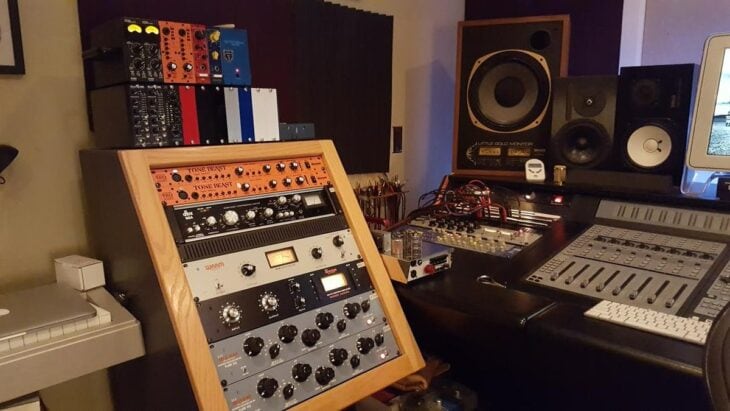
But let’s clear something up, friends. If you’re someone who’s all in and ready to put in the work, you can make any Digital Audio Workstation (DAW) sound like a dream, and you’ll be producing some seriously awesome tracks before you know it.
Just keep in mind that not all plug-ins are created equal—some, like those from Universal Audio, really do shine brighter than the rest.
Let’s say you’re working with multiple vocalists. Even if you’re a wizard with mixing and EQing, a handheld Shure SM57 dynamic mic and a Neumann U87 won’t sound the same.
And trust me, you’ll notice a difference in the richness of the bass when comparing high-end analog synths, like a Moog Subsequent 37, to a Behringer Model D.
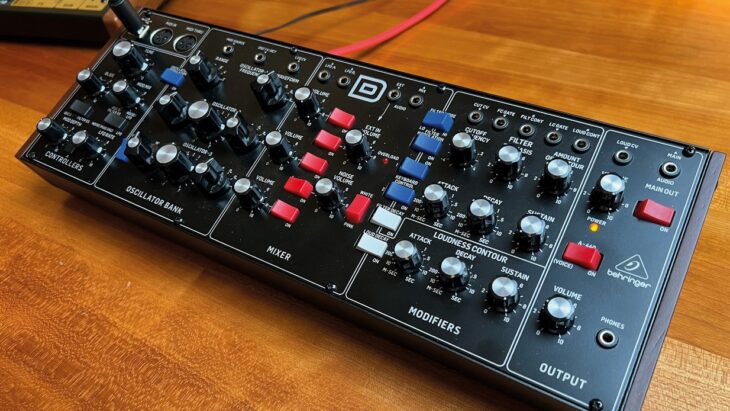
So here’s a little friendly advice: if you’re considering using analog and hardware for recording, spend some quality time doing your research and aim for the highest quality your budget allows. If not, go for the virtual tools but make sure to invest in a set of top-tier professional studio monitors.
You won’t regret it!
Disregarding a Vocalist’s Needs
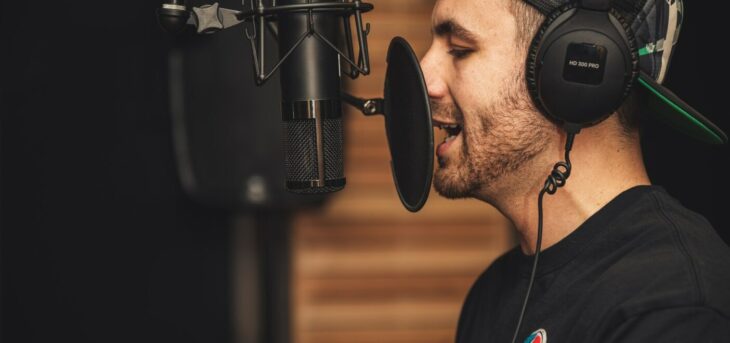
I’ve noticed that many of us, particularly those who enjoy crafting electronic beats and instrumental tracks, sometimes underestimate the power of a good vocal. We might consider vocals as a pleasant extra topping on our already fantastic track.
Because of this, we might rush into recording vocals without providing enough direction or spending time on vocal production.
This usually results in vocals that feel somewhat generic and lack personality, a characteristic that’s unfortunately quite prevalent in some EDM and electronic tunes.
It almost seems like we’re not taking the time to truly connect with the artist, guide them on the vibe we’re aiming for, do enough takes, or ensure we’re using the best possible mic setup.
So, here’s a little tip to address this: Consider bouncing down a stereo version of your track before your vocalist steps into the studio. This way, you can give your undivided attention to the vocals, without any distractions from the rest of the production.
Overdoing Loudness
Mixing popular tracks today can feel like a bit of a challenge, right? Particularly with the big focus on loudness nowadays.
Here’s a common misconception: a lot of new producers think that the louder and more compressed their final mixes are, the better and more modern they sound. But here’s a fun fact: platforms like Spotify actually turn down the volume of your track compared to others if it’s too loud.
What’s the result? Well, your mix might end up sounding softer and weaker compared to other artists. I’ve been there.
I once mixed a track that I thought was going to blow the roof off clubs, but it sounded much softer when played alongside other electronic music tracks on Spotify.
So, what’s my friendly advice? Aim for a dynamic mix. Sure, it’s important to compress your mix to give it that punchy, modern feel with some nice high-end EQ and beefy lows.
But remember, the heavy lifting when it comes to master compression should be left to a pro-mastering engineer. And hey, getting good mastering isn’t that expensive nowadays.
Final Thoughts
Just like the well-known saying, “with great power comes great responsibility,” this holds true for us music producers too! We’re the ones owning up to the end record.
If the mix doesn’t hit just right, or the vocals feel off, or if the song just isn’t quite there, we’re the ones to step up.
It’s easy to point fingers and blame the songwriters, mix engineers, mastering engineers, or even the artists when things get a little rocky. But hey, a great producer is a bit like a gatekeeper, taking pride in the final piece.
A little tip to all the budding producers out there – never stop quenching your thirst for knowledge. The more you know, the sharper your instincts get.
And who knows, this could be what separates you from making common mistakes to learning from them and creating some fantastic music!
