
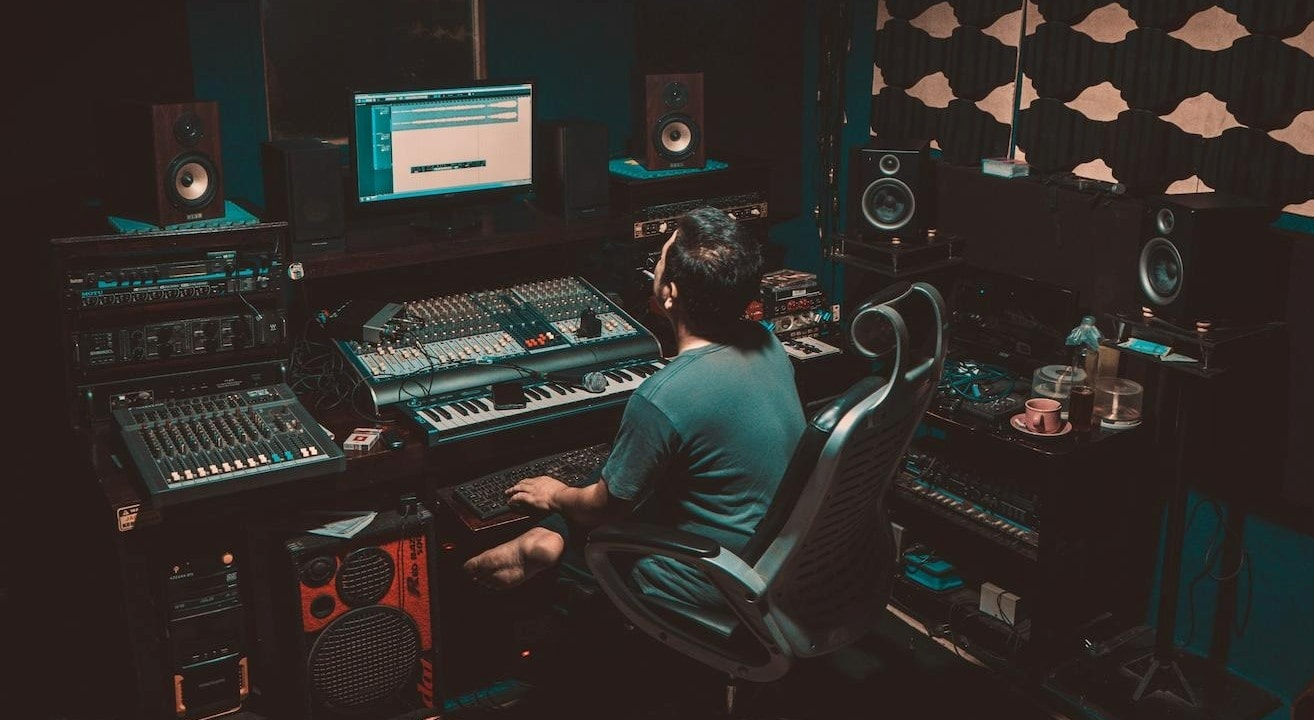
Isn’t it amazing how far we’ve come with sampling technology and the variety of libraries at our disposal for creating music? It’s like having a magician’s hat, pulling out high-quality sounding instruments to create the music we’ve always imagined!
But, as with any magic trick, there’s a bit of a catch. Clients, especially in the film music industry, have come to expect some pretty spectacular things.
Now, if you’re looking to break into the film scoring industry, it’s not just about composing those heart-stirring, perfectly timed melodies. You’ve also got to show off some tech-savvy, almost like you’re part musician, part computer programmer.
And you need to do it fast, whipping up a piece of realistic-sounding orchestral or cinematic music in just a few hours.
And don’t think that once you’ve landed a gig as a film composer, trailer composer, or even as an assistant to a big-time composer, you can rest easy. Oh no, you’ll be conjuring up incredibly detailed and lifelike demos for every single idea you want to float by the client.
In the industry, we call these demos “mockups” or more specifically, “composer cue mockups.”
Now, if you’re juggling a bunch of projects, you might be lucky enough to have an intern or a junior professional who specializes in creating these mockups. But for most of us, we have to wear the hat of the mockup programmer too.
So, what goes into a professional, industry-standard mockup? Well, there are a few golden rules. Here are some key ingredients that I’ve found keep popping up in my work for film.
Table of Contents
The 5 Essentials of a Professional Mockup – Beyond Demos!
Orchestral Libraries
Exploring the world of orchestral libraries can feel a bit like being a kid in a candy store – there’s so much to choose from, it can get a little overwhelming! Now, you might notice that many of these libraries carry a hefty price tag.
That’s because sampling real orchestral data is an expensive process, often costing hundreds of thousands of dollars. And that’s not even taking into account the additional labor costs for the dedicated programmers and engineers who assemble the virtual instrument that brings these sounds to life.
So, in a way, the higher prices for premium collections make sense.
When it comes to cinematic and film composition, the community generally agrees that three major players steal the spotlight: East West, Spitfire Audio, and Vienna Symphonic Library.
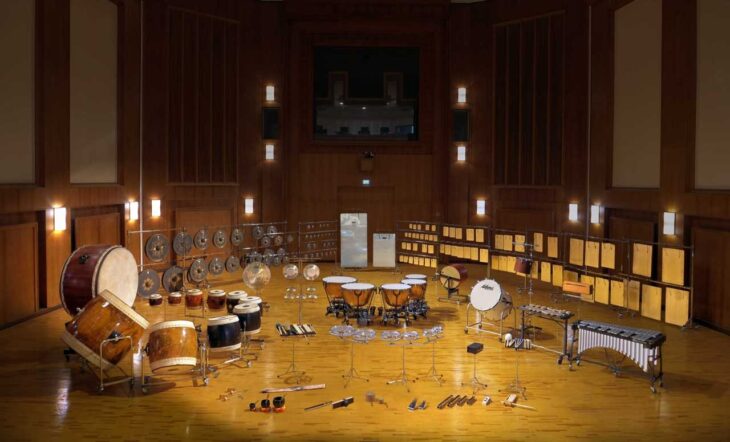
What’s cool is that each of these libraries has its own unique niche or feature that sets it apart from the others. We’ll dive into what makes each one unique in the upcoming sections.
Strings
Strings play a vital role in most composer mockups, especially in orchestral film music cues and classical compositions. Having a diverse string collection is like having a secret ingredient that gives your music that special touch.
There are three main types of strings that you should consider. First off, we have the Hollywood-style strings, like those from East West Hollywood Opus.
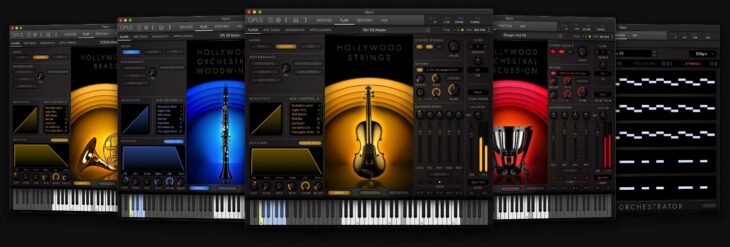
These are your go-to for action-packed mockups and cinematic trailer cues. The epicness of these sounds comes from the unique recording method, the number of players in each section, and the sheer power of the dynamics they can achieve.
And let me tell you, these are incredibly important for music used in trailers – a field where, if you’ve got the knack for creating cues and mockups, you could see some serious earnings.
Now, let’s move on to the romantic and delicate cinematic strings. The folks over at Spitfire Audio, a top-notch British company, are masters at creating these.
They make their recordings in places like Air Lyndhurst and Abbey Road Studios in London – the very same places where many movie strings are recorded.
What’s more, they work with engineers who’ve had a hand in big films, ensuring you get a genuine string session that even an A-list composer would be proud of. These sessions are then re-engineered and broken down so you can play them as virtual instruments right on your computer.
Their Appassionata strings are superbly smooth for composing melodic lines, while their Abbey Road series gives you that Beatles-like dry sound, which is just perfect for independent movies or records.
Woodwinds
The Vienna Symphonic Library, affectionately known as VSL, is a treasure trove of ultra-realistic traditional orchestral woodwind instruments. We’re talking about flutes, oboes, clarinets, bassoons – the works!
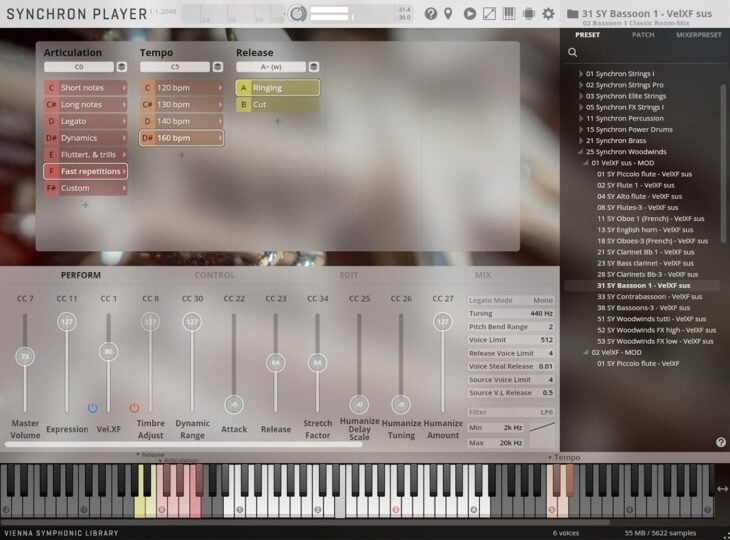
These beautiful samples are recorded live on a dry stage, allowing you to add your own personal touch of reverb. This really lets those intricate details, like the key clacks, wind, and tone, shine through, breathing life into your compositions.
Here’s a bit of friendly advice when it comes to woodwinds: playing chords with them, like you would with string pads, versus crafting melodic lines are two different ball games.
It’s easy for people new to music programming to think these libraries can be played just like synthetic sounds, but with a more organic twist. However, that’s not quite how it works.
As an orchestrator, you’ll typically play individual parts that, when put together, sound like a chord. It’s not exactly the same as how a traditional pianist would play.
Instead, you’ll play the legato (monophonic) version of each instrument, layering them one on top of the other. This is how the players in each section would naturally play.
It’s a go-to trick in orchestrated film scoring sessions, and believe me, it creates a sound that’s in a league of its own.
Brass
Brass is crucial for creating the powerful, marvel-style soundtracks prevalent in superhero movies. Iconic films like Iron Man and Man of Steel employ a significant amount of French horns and blaring trombones to generate the excitement necessary for their themes.
For brass, I recommend using either the East West Hollywood Opus Orchestra or Spitfire Symphonic Brass. Most movies with memorable brass themes are recorded where Spitfire or East West produce their sounds.
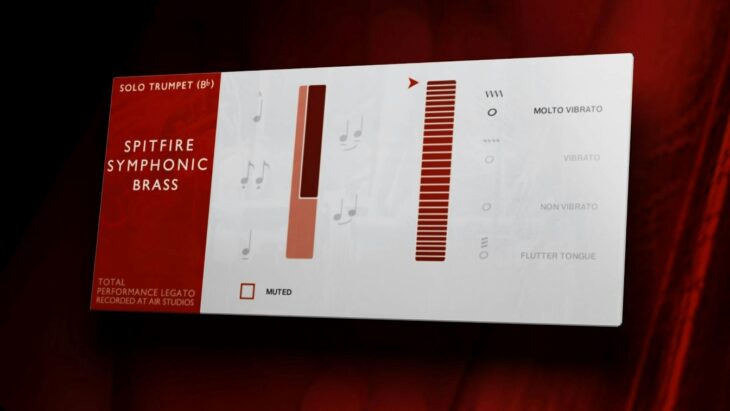
Specifically, East West records at East West Studios in Los Angeles where numerous movies are made, while Spitfire records in London.
It’s important to become familiar with your brass libraries and understand the different layers of programming realistic brass. Most libraries use various CC controllers to transition from soft, sustain style brass to blaring, biting Epic brass.
So if you’re venturing into the realm of composer mockups, ensure you have a keyboard with enough sliders to handle the different types of CC modulation that come pre-programmed from most of these libraries.
Choirs
Choirs sure do add that special touch to epic compositions, don’t they? I’ve found that a whopping 80% of action, superhero, or blockbuster trailers wouldn’t be the same without a choir.
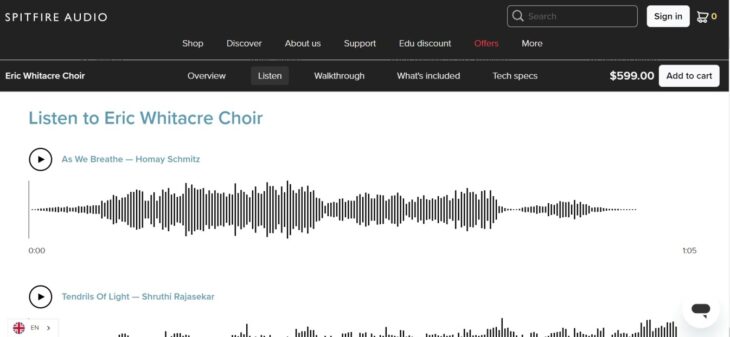
Now, when it comes to choir libraries, there are two that I lean on most often: East West Hollywood Choirs and the Spitfire Eric Whitacre Choir collection. The Spitfire collection has a delicate, realistic, and beautiful sound, while East West really packs a punch.
Fun fact: East West is the brainchild of two acclaimed composers in the trailer music industry, who go by the name ‘Two Steps from Hell‘. So, a lot of their sounds are customized especially for epic trailers.
Percussion
Orchestral percussion plays a pivotal role in our mockups, acting as a helpful guide for our talented orchestrators. Once a mockup receives approval, it often remains as the final demo until our live session.
That’s when we have the pleasure of bringing it to life with our real players.
That’s why it’s a fantastic idea to include many of the instruments that will also be tracked live in the final sessions. By doing so, you’re efficiently accomplishing two tasks at once.
Not only are you securing approval for your mockup, but you’re also setting it up excellently to be arranged and sent off to an orchestrator. Then, our skilled orchestrator can roll up their sleeves and begin crafting parts for each individual section of our authentic orchestra.
Epic Percussion
Epic percussion and traditional orchestral percussion are like two different worlds. You see, epic percussion is recorded in layers, giving it a larger-than-life sound, a bit like a super-sized orchestra.
Ever heard of Hans Zimmer? He’s a big fan of this style and even recorded six drummers in one room for ‘Man of Steel’. How cool is that?
Now, epic percussion libraries are something else! They are pre-recorded in many layers. Picture this: three drums being hit in a warehouse and then the sound is passed through analog tape and distortion to create deep, thunderous lows.
Or imagine Japanese taiko drums being banged by eight or ten players all at once to create those powerful attacks.
Spitfire teamed up with Hans Zimmer to create ‘Hans Zimmer Percussion‘, which perfectly captures his unique style of recording epic percussion. These recordings are then cleverly reverse-engineered into sections to be played on Kontakt by Native Instruments.

Want something more intense? Spitfire’s got you covered with their ‘Hammers‘ collection. It’s a collaboration with Charlie Clouser of Nine Inch Nails fame, who’s now rocking the horror film composing scene.
EastWest also brings their own thunder with ‘Stormdrum‘, their line of epic drums. It’s a three-volume collection, and guess what? These were some of the sounds that started the epic percussion trend!
You’ve probably heard these libraries in action films during fight scenes or chases. The sounds created are so unique that traditional orchestra libraries just can’t recreate them.
So, when you’re creating a mock-up, make sure your percussion is well-programmed and tight. Who knows, it might end up in the final version of the film score.
Now, epic percussion is generally divided into three categories. First, we have large drums, which are combinations of taiko, bass drum, Brazilian surdo, and large toms.
Then there’s world drums, usually recorded in sections of multiple players, like djembes, bongos, and Middle Eastern percussion.
And finally, we have junk percussion. This includes all sorts of metal objects like hammers, trash bin lids, or mallets hitting various types of junkyard percussion.
Some companies even have versions where they use a cello or violin bow to hit strange cymbals and automobile brakes, etc., to create spooky sounds.
Hybrid Sounds
“Hybrid sound” is a fascinating term that describes organic sounds that have been tweaked and twisted electronically until they no longer resemble traditional instruments. These sounds play a starring role in many blockbuster films, with the outstanding Heavyocity company leading the way in creating these sound libraries for composers.
Take Damage by Heavyocity, for example. It’s a sound library that perfectly embodies its fierce and intense name. It’s a wild mix of traditional drum kits, heavy processing, and car parts being hammered and pounded to their limits, then treated with distortion effects.
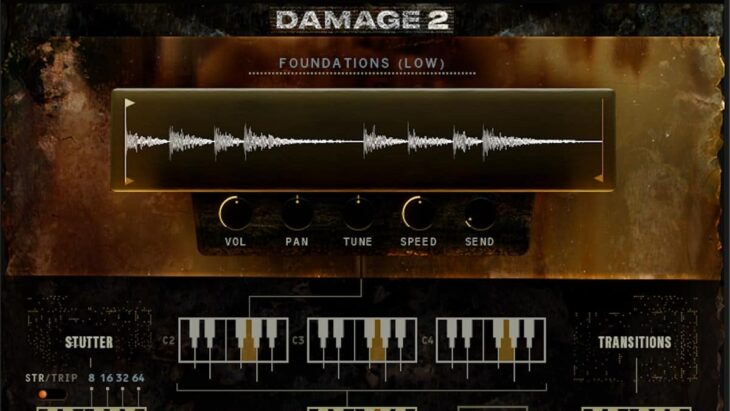
These sound libraries are the unsung heroes of films that require extensive sound design. Many spine-chilling horror films and dark, heart-pounding thrillers use this type of sound to great effect.
While superstar composers like Hans Zimmer and James Newton Howard have the luxury of time and resources to craft their own libraries, for most composers, it’s just more practical to use high-quality pre-existing ones. After all, creating these sounds from scratch is no walk in the park—it’s tough and time-consuming work!
Synths
Let’s dive into the fascinating world of synths used in cinema and film. It’s a whole new ballgame compared to EDM, electronic music, or even legends like Depeche Mode and Erasure.
These cinematic scores transport you to another universe with their truly unique and processed sounds, adding an ethereal touch that makes them stand out from your everyday dance beats.
Have you heard of Spectrasonics? They’re pretty big in the industry. They’ve put together this amazing library called Omnisphere, which is a top pick for many composers.
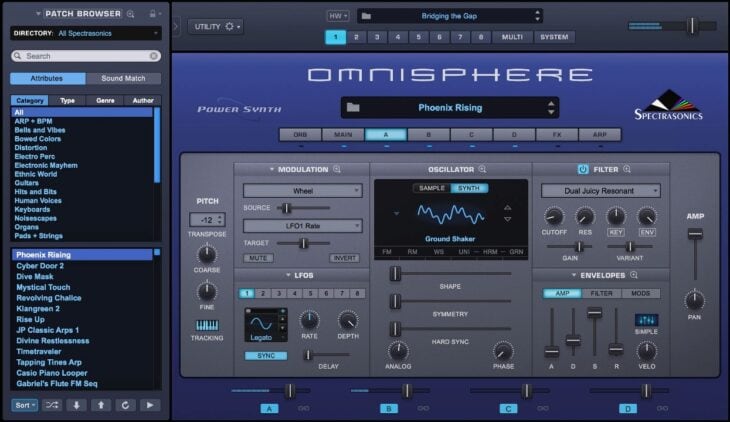
What’s cool about Omnisphere is that you can craft hybrid sounds by blending a synth oscillator sound sample from a classic analog synth (think Minimoog or Prophet), with a completely unexpected sound, like a guitar or a distorted bowed instrument.
The true magic unfolds when these sounds are played together through a traditional synthesizer path with a filter and envelope. What do you get? A synth-like sound that whisks you right back to the essence of film music.
But hey, Spectrasonics isn’t the only player here. East West also steps up with Forbidden Planet, their own spin on Omnisphere. And then there’s Spitfire, known for their organic samples, who’ve collaborated with synth legend BT on this cool product called Phobos.
What’s really awesome about Spitfire is their dedication to pushing boundaries. They frequently partner with world-renowned composers to offer their users unique techniques that would otherwise seem like a far-off dream.
Pianos
When it comes to mockups, it’s incredibly important to craft a piano vibe that aligns perfectly with the visual content. Currently, there’s a massive wave of love for the classical crossover genre, neoclassical.
Brilliant composers like Olafur Arnalds and Ludovico Einaudi have blazed a trail in this genre with their unique Felt piano sound.
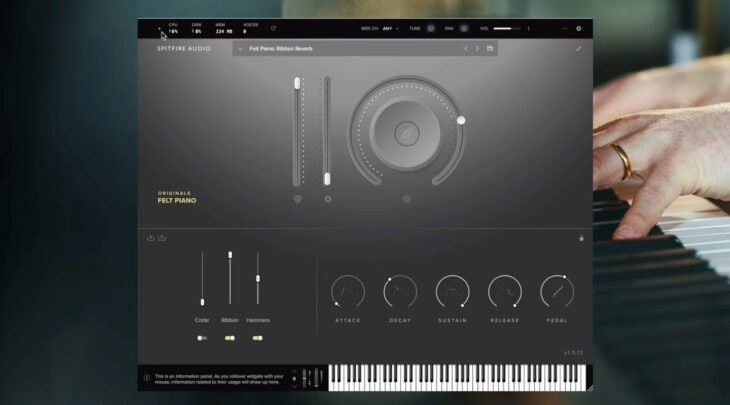
So, how do they achieve this sound? They simply insert a piece of felt between the hammer and the strings of a grand or upright piano. This clever trick produces a close, dark percussive sound that’s a cool mix of a piano and a marimba or xylophone.
This unique sound has become a huge hit, featuring in popular shows like Netflix’s “The Crown” and Showtime’s “Transparent”.
Our friends at Spitfire Audio have collaborated again with Olafur Arnalds and the equally talented Hauschka, also known as Volker Bertelmann, to create a few libraries using their special techniques for crafting these outstanding piano sounds.
Do yourself a favor and check out Spitfire’s Stratus and the Hauschka Composer Toolkit. The moment you begin to explore and play these pianos, you’ll feel as if you’re sitting at an authentic vintage piano, tucked away in a cozy studio in an Icelandic fjord. They simply radiate with a cinematic charm.
