
When I'm getting ready to record vocals, I usually show up at least 30 minutes before the singer. Even if the engineer has set up a killer microphone chain, I'm still always worried about the headphone mix.
The wrong balance can really throw off an artist. If everything's too loud, they might start singing softer, and if it's too soft, their rhythm and pitch will be off because they can't lock in with the track. It's definitely a tricky situation.
Having poor-quality headphones can absolutely ruin a vocal session. Whether it's a lack of bass, too much bleed getting into the mic signals, or harsh highs, your headphones can totally make or break a session.
Top 3 - Headphones for Vocal Recording
Luckily though, headphones have gotten a lot better along with high-end gear, and there are some really excellent ones out on the market these days!
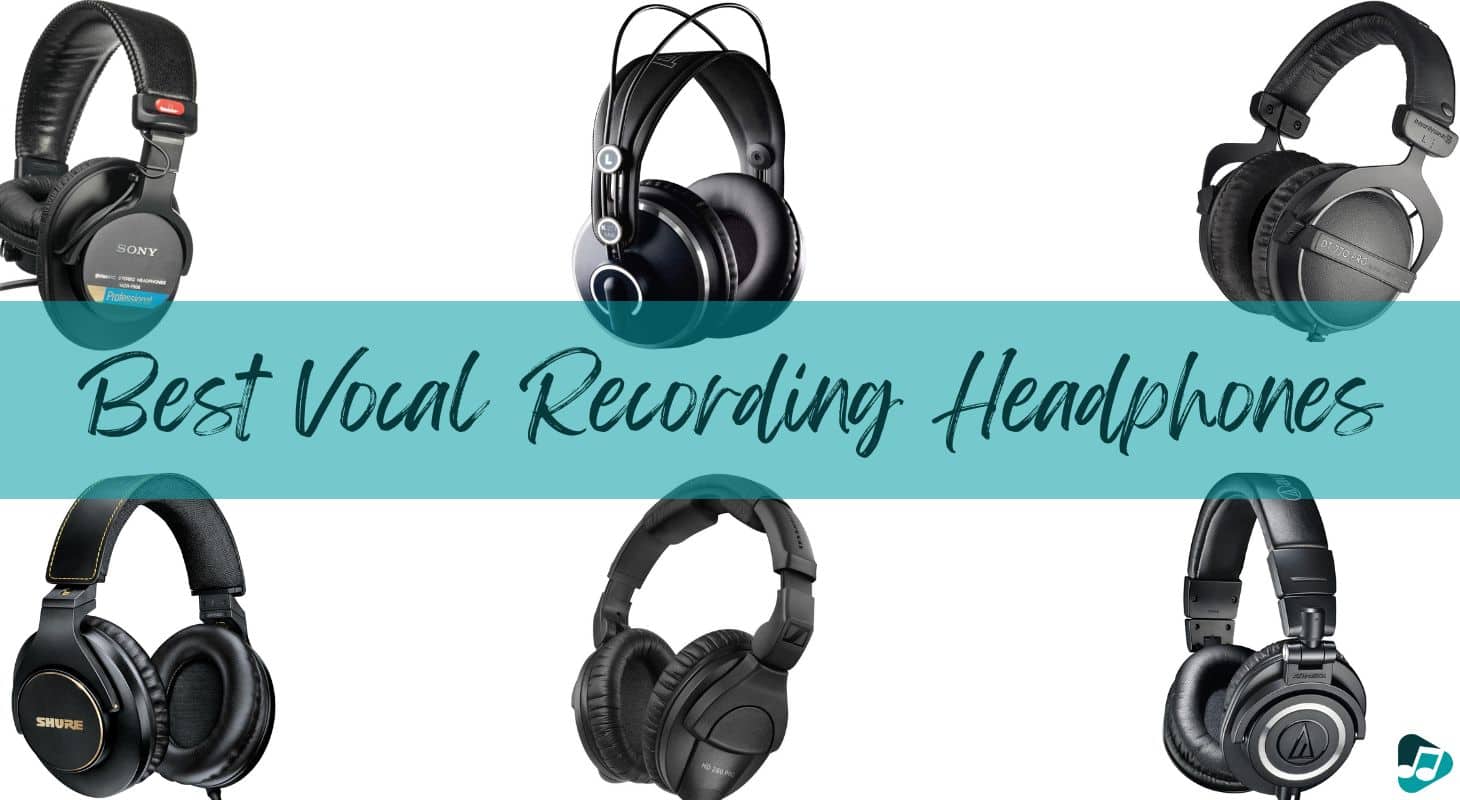
The 7 Best Headphones for Recording Vocals
1. Sennheiser HD 280 PRO
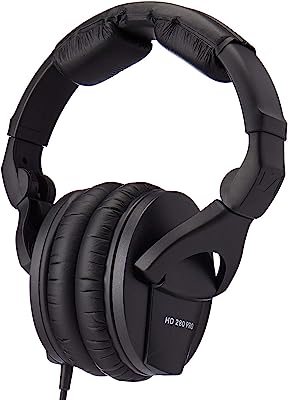
Sennheiser has always balanced quality with lightweight design, and the HD 280 Pro fits this description perfectly. I use these headphones when reviewing large amounts of recorded vocal takes and material.
Since I can't always work from my studio, these have become my go-to headphones for critical listening during remote vocal sessions, thanks to their excellent noise isolation.
Now, the noise attenuation is super important for two reasons: one, it helps reduce bleed from loud mixes, and two, it cancels out background noise in the room, especially when you're recording vocals with a band.
The Sennheiser HD 280 PRO headphones are the real deal. They sound amazing and meet all the necessary requirements. The Sennheiser sound is tight and not overly hyped. The bass is punchy without getting all muddy, and the highs have a crisp transient response without being harsh.
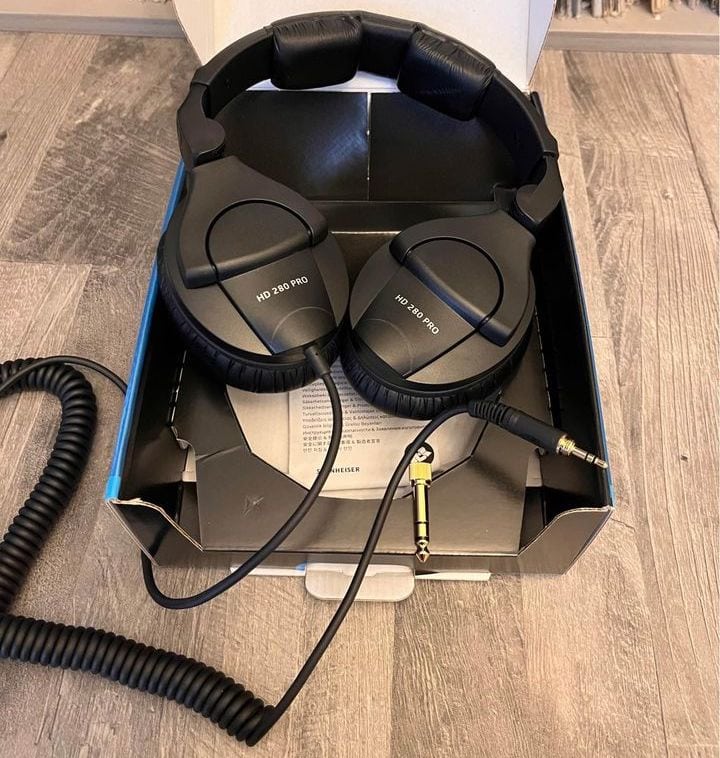
Sennheiser HD 280 Pro
I would say I reach for these headphones when I’m going to record modern pop tracks, especially with female vocalists. The balanced sound carries the energy of modern pop music's heavy transients.
I feel like many producers and vocalists judge headphones by how they translate frequencies — whether the highs are too bright or the lows are too thin. However, there's another important factor: the translation of dynamics and transients (in simpler terms, punch and attack).
These qualities aren't just about drums; they can come from compressed synths or Splice loops going through harmonic treatment to make them pop.
As I explained in my intro, having a good mix balance while tracking is crucial for vocalists, particularly during overdubbing.
The HD 280 Pro is an excellent choice for tracking over dense, high-energy material like pop songs in the style of artists like Sabrina Carpenter, Lady Gaga, Katy Perry, or Charli XCX. If you're producing in this genre, you should seriously consider these headphones as your main vocal tracking companions.
I really like the size of these headphones. Sennheiser did a great job making them so comfortable that you can forget you're even wearing them sometimes. That's especially important when you're recording since big, heavy headphones can give you headaches and totally ruin the vibe.
The only downside I've come across with the HD 280 is that the synthetic leather on the ear pads feels kind of cheap compared to other headphones I've tried. They might have tried to cut some costs in this area, which could lead to the ear pads tearing easily. It doesn't affect the sound quality, but it's still something to keep in mind.
2. AKG Pro Audio K271 MKII STUDIO
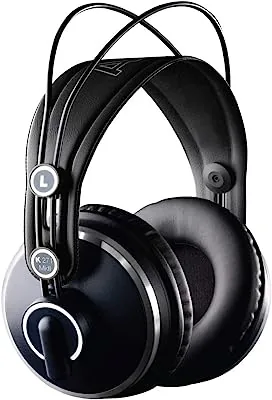
The K271 mkII is designed as an over-ear, closed-back model that is great at reducing noise bleed into the mic. With decades of expertise in mics, AKG really knows its stuff when it comes to noise reduction and cancellation.
Some headphones just don't last, but the K271 headphones have earpads that you can replace whenever you need to. Plus, it's always a good idea to switch out the earpads for hygiene reasons, especially if you're using them all the time or if you're sweating a lot.
So, artists are a pretty diverse bunch. They like to express themselves in all sorts of ways, like with unique hairstyles or hats. The famous ones are especially into it. These AKG headphones have elastic, flexible bands that are super comfortable and can fit any situation that might arise. That's a great design choice.
When it comes to sound, the AKG headphones produce the extended, gorgeous high-end that they're known for, just like the C414, one of the best bright mics in the world.
The low end is also killer; loads of DJs and electronic producers use these headphones because they go all the way down to the sub-range for accurate mixing and even mastering.
Though these headphones excel at modern styles, I'd choose them primarily for indie, folk, or acoustic sessions. Their high-end is truly gorgeous, but with punchy, harmonically rich material like female pop, it can become fatiguing.
The Sennheiser HD 280 handles those better, while these AKGs make melodic instruments sound incredible.
That's why acoustic guitars, pianos, orchestral strings, and arrangements from lower-energy bands translate beautifully for vocalists.
I recently worked with a male vocalist from Nashville on an organic, NPR Tiny Desk-style session with treated acoustic instruments. We used felt-dampened piano, vintage taped drums, Indian harmoniums, bowed vibraphones, and toy instruments from the '70s — you name it.
After trying several different headphones, we settled on the AKG K271 as the most balanced — rich yet exciting. Here's the thing about recording vocals with acoustic instruments: unlike the energy of loop-based music, that quieter atmosphere can significantly affect how a vocalist performs.
I once heard Radiohead producer Nigel Godrich discuss this at a production panel. He explained that he always created a complex mix before Radiohead recorded vocals because if the track didn't sound like a record, Thom Yorke, the lead vocalist, would become insecure.
Even when the band didn't request it, Godrich would create rough mixes after they left for the night, ensuring they'd return excited about the sound the next day.
This illustrates how headphone choice can influence a session. I always prepare rough mixes before vocal recording, using the same headphones the vocalist will use rather than my main monitors.
I want them to hear exactly what's intended through the headphones. This approach saves the vocal session 90% of the time.
This is why having multiple pairs of headphones is crucial if you run a studio serving musicians across different genres. Like microphones, headphones should be matched to both the musical genre and the vocalist (if possible).
Unfortunately, quality components sometimes come at a disadvantage. So, if I'm being picky, my only beef would be their weight. But overall, these headphones are awesome.3. Beyerdynamic DT 770 PRO 80
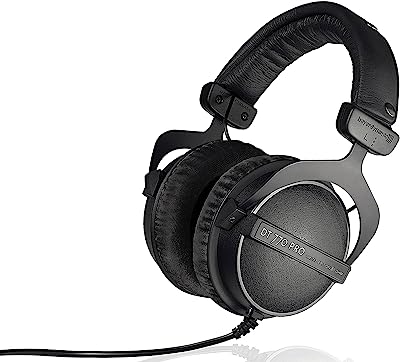
So, I once took a look at the ADAM line of German monitors and described them as punchy, loud, and powerful. I would say the exact same thing about the DT 770 PRO headphones.
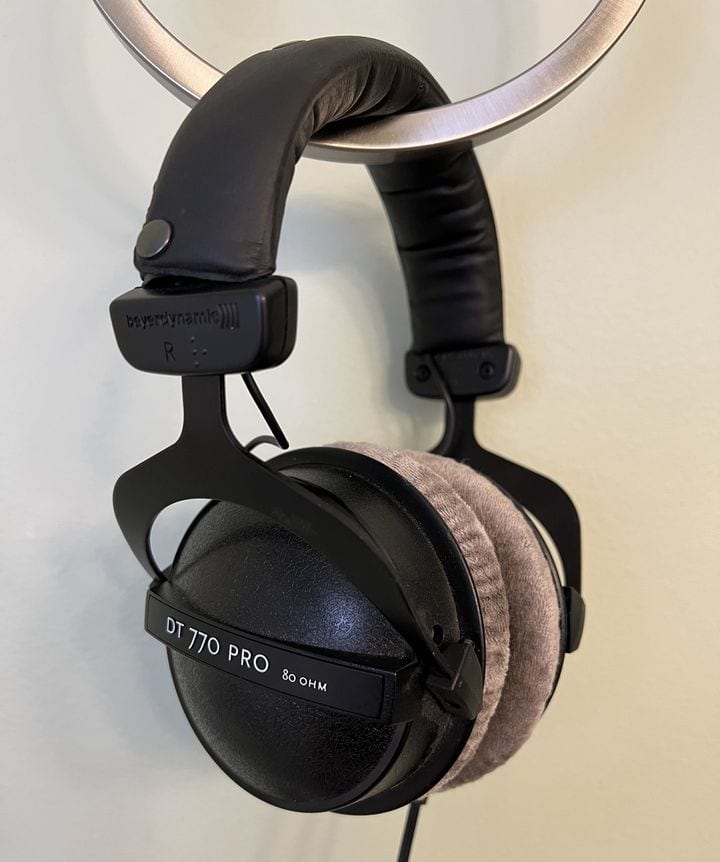
Beyerdynamic DT 770 Pro 80 Ohm
I've used these headphones a few times, and I gotta say, for any drum and percussive type of track, they are hands down the best I've used in terms of transient response.
They also have spacious impulse response acoustics, which makes the depth amazing. If you pan an instrument in a room, it will retain its position in the sound field. That's why they are absolutely perfect for film scores and live band recordings.
I previously stated that I really like the Sennheiser HD 280 Pros for transient-rich material. To be more specific, I think the Sennheiser excels at processed, loop-based, and electronic transients, while these Beyerdynamic excel at natural instrument transient response.
While they can certainly handle pop styles, I find the DT 770s have a smoother sound — that's why I particularly enjoy them for materials with heavy attack, like string instruments, hand percussion, and drums.
Vocalists working with less-processed rough mixes would likely benefit from these headphones.
I reached this conclusion after a recent project where I recorded vocals for a fantasy-style video game score, similar to League of Legends.
I worked with an incredible Los Angeles-based session singer who has performed for Marvel movies and created her own loops for Splice and other third-party libraries—she's incredibly versatile. She introduced me to the Beyerdynamic headphones when she brought them to the session.
When I asked why she needed her own headphones despite my having multiple pairs available, she explained she had rehearsed with them. After trying several pairs, she found these offered the most balanced and smooth sound.
I agree — the depth and authenticity of sound is remarkable. What you hear through these headphones translates exceptionally well to professional monitors. Using them for my pre-session rough mixes was effortless since they matched so closely with my mastering speakers.
And listen to this — they also have great but balanced volume output. How many times have you put on headphones, pressed play, and been hit with mids and highs? Again, these headphones are smooth.
Plus, being over-ear and closed helps with noise bleed. And let's not forget that these headphones have amazing bass and are tamer in the highs — which also helps with noise cancellation. Usually, it's the highs that bleed out when you're wearing headphones and other people can hear what you're listening to.
The only downside I found is in the sub-low response. Maybe it's the impulse response approach, but I don't feel like these headphones translate the lows as accurately as others. They feel a bit woofy instead of tight.
4. Sony MDR7506
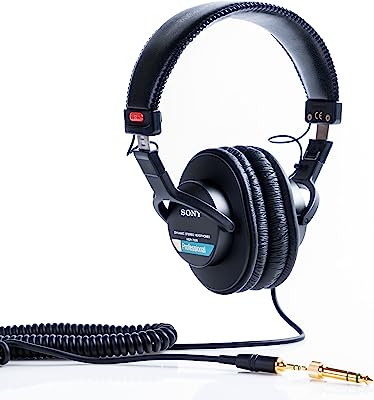
Sony headphones have always been the go-to for audiophiles. They're super detailed and an absolute joy to listen to no matter what genre you love.
But, here's the thing. They might be too good for their own good. I'm not one to mix with headphones too much, but I'm not too keen on super hyped ones either. The Sony MDR7506 is a fantastic pair, but they're not exactly truthful.
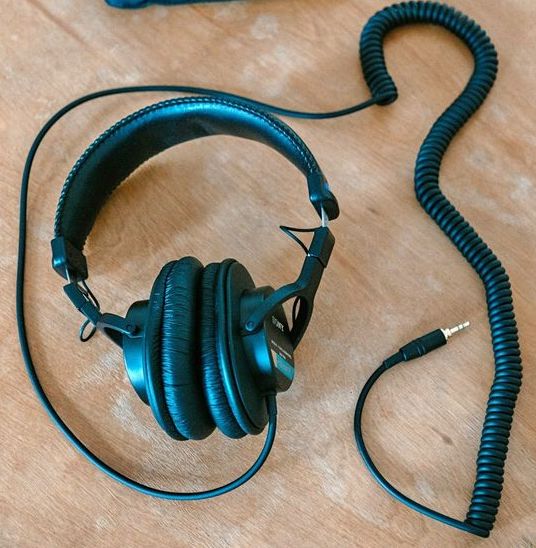
Sony MDR-7506
Now, don't get me wrong, they're amazing for tracking vocals. Sometimes you want a bit of excitement in your cans, so the singer can get into the groove. Remember, the track isn't mixed yet, so it might be a bit all over the place. These headphones add a bit more "mixed" flavor to it, so the performer really gets into the mood.
The mixed sound I'm referring to here is more of a polished, high-end glossy sound — not the same as the sonic excitement I mentioned with the AKG headphones.
These headphones do a lot of the heavy lifting when it comes to polishing your mix. While spending more time mixing will always improve the sound across all headphone models, what if you don't have time for a great rough headphone mix?
This happens frequently. Sometimes you need to overdub immediately after recording basic tracks, without the luxury of coming back the next day to fine-tune things for the vocalist.
In these situations, some headphones can actually make the mix balance worse — especially those with excessive high and low end.
The Sony headphones offer more detailed midrange than others on this list. This is crucial for vocalists to get a balanced yet full-sounding experience. I find them particularly valuable when recording background vocals and harmonies — that's when I choose these over other options.
Recording background vocals and harmonies can be extremely challenging, especially after tracking numerous instruments.
Take an EDM track, for instance, with classic sawtooth and supersaw synths like those used by deadmau5 or Swedish House Mafia. These synths occupy so much midrange that even the main vocal struggles to cut through, making it difficult even for female vocalists to be heard.
It's even harder for vocalists to hear themselves while tracking!
That's why many EDM artists use sidechain techniques to make everything pump with the kick, including the vocals. Just listen to Sia and David Guetta's "Titanium" — the whole mix is pumping. I wouldn't be surprised if the mastering engineer used sidechain compression on the entire master. It's that dramatic.
Now imagine tracking vocals for that song!
The Sony headphones will open up that space, allowing you to record three or four different vocal harmonies with doubles while still being able to identify any tuning issues or conflicting harmonies.
You might wonder: "Why not just turn down the track to hear the vocalist more clearly?" The issue, as I mentioned earlier, is the delicate balance between volume and energy. If you lower the track too much while adding vocal harmonies, the singer will likely lose timing — either rushing or dragging — because they can't feel the groove while layering thick harmonies.
The bottom line? If you're short on time for a proper headphone mix and need to jump straight into recording dense vocal arrangements, these headphones might be your session-saver.
The build quality of Sony headphones, in general, is out of this world. I went to a session at Capitol Records a few weeks ago and saw some pretty Sony headphones. I asked the engineer if they were new, and he said that Michael Buble recorded his first Christmas album on them. That was over 12 years ago. Enough said...
Now, here's the kicker. The cable on these headphones is a real bummer. The long accordion-style cable is a nightmare. I’ve always hated it; it’s heavy and gets caught on the music stand. Annoying.
5. Audio-Technica ATH-M50x
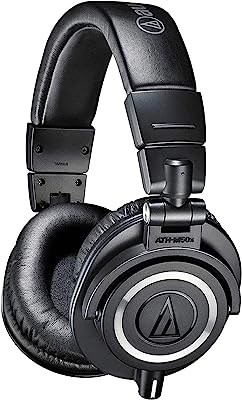
The ATH-M50X headphones are like the jack-of-all-trades headphones. They're super sturdy and can take a beating. If you're recording a wild rock singer who's all over the mic, these are the ones to grab.
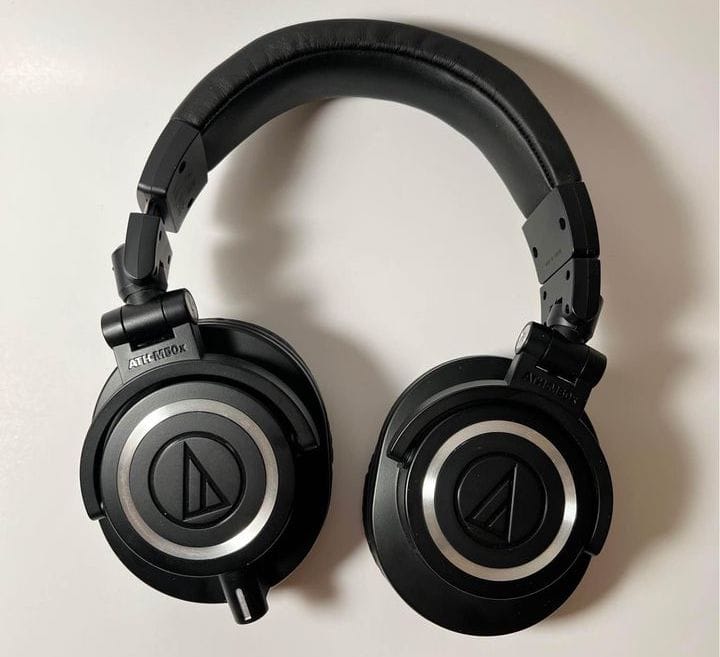
Audio-Technica ATH-M50x
Most of these headphones fit over your ears and do a great job of blocking out noise, and these are no exception. They can get really loud, so if you're a rocker or a live band vocalist who likes it loud, these are perfect.
The frequency range is good. It's not the absolute best for the really low and really high notes, but we're not talking about mixing, just recording vocals. You don't need to hear all the details of a song to get an inspired performance every time. What you need is balance, and these headphones have that. I found it really easy to set up rough mixes with them.
When it comes to specific genres, I use these headphones most frequently for rap and hip-hop vocals. While they may not have the best sub-bass compared to other models, they offer incredible distortion resistance — a crucial feature for hip-hop.
I've never managed to make these headphones distort, regardless of how loud the vocals get. They don't compress even with extremely hot vocals. This rugged and robust quality is essential when handling powerful vocals, whether from rockers or rappers.
Another thing that makes these headphones rock is that they're amazing with guitars, especially electric guitars. There's an odd peak around 10K that really boosts the distortion and adds excitement. For mixing, that could be a disaster, but for singers, it's awesome. It gives everything, including your voice, more power.
I've also found these headphones to be excellent for social media content creation. I recently recorded an artist doing podcast sessions where she performed impromptu acoustic versions of her most popular songs.
I monitored and recorded using two pairs of Audio-Technica headphones — one for myself and one for the artist.
I was pleasantly surprised by how neutral they were, maintaining their balance even during high-energy conversations. They also handle harsh dialogue remarkably well.
These headphones are perfect for vocalists creating TikTok videos with mixed talking and singing segments, as they effectively manage common audio issues like pops and wind noise. They deliver clear, powerful sound for outdoor recordings without distortion, making them incredibly versatile.
My only gripe is that these headphones aren't flexible when it comes to the headband. They can get pretty heavy and tiring, which isn't ideal for long recording sessions.
6. Shure SRH840A
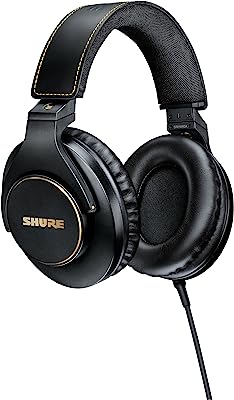
So, most of the companies mentioned here are microphone companies. Shure has been making live dynamic microphones for a long time now and even my grandma has used an SM58 at some point.
But lately, Shure has been trying to be all fancy and high-end. Their KSM series of mics are super expensive and they're competing with brands like Neumann and AKG. They're doing the same thing with their headphones too.
The SRH840A headphones are all glammed up with gold stylings and a padded headband, making them look like a superstar pair. They're perfect for artists like Rihanna or Beyonce.
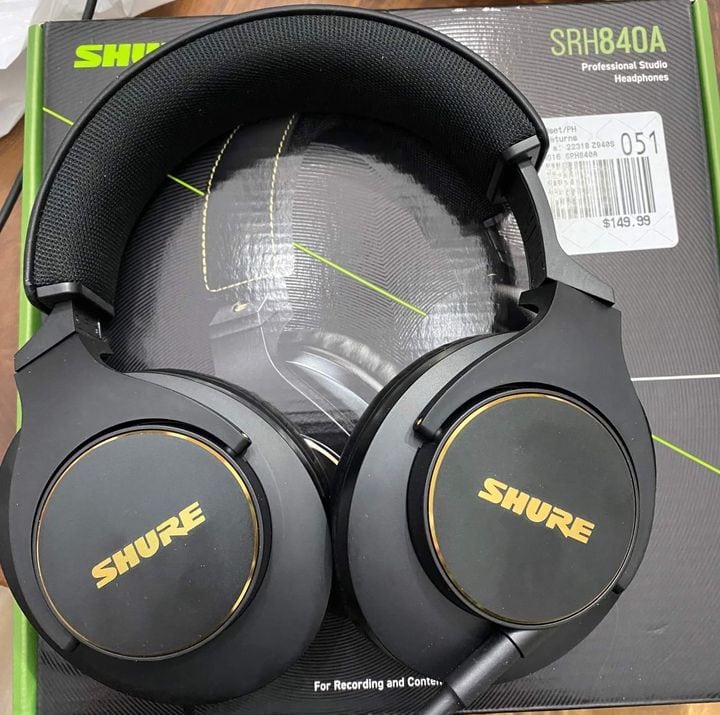
Shure SRH840A
One of my producer friends uses these headphones to track at home and he loves them. When I tried them out at his place, I was pretty impressed. These headphones are powerful but really clean, which is the opposite of Beats by Dr. Dre.
The frequency response is glossy but not hyped; it's like they've been tuned to a really natural mastering curve. Though they're not at the mastering level of Audeze, they're more than enough for most vocalists. Plus, it's cool that you could use them for mixing too.
These headphones seem to be taking a page from Apple's AirPod Max line. While they feel consumer-oriented, I find them particularly appealing for vocal tasks.
I believe these will be appealing for app-based recording by influencer vocalists. They translate audio from iOS devices better than other headphones I've tested.
I discovered this while tracking vocals in a hotel room during a conference trip. When a client needed a quick turnaround on a new chorus for their song, I recorded several ideas using GarageBand on my iPad.
The results were surprising — these headphones have a precisely tailored frequency response that enhances both semi-professional and consumer recording situations like mine. Despite not having my usual laptop with Ableton setup, I found that my apps sounded better through these headphones than through any of my other professional pairs.
The philosophy behind these headphones seems to be providing an instant preview of what most consumers will hear, while still allowing you to mix vocals through a higher-quality product.
My only issue with these headphones would be their noise insulation/cancellation. It seems like they bleed a bit more than they should or at least more than their competitors.
7. Sennheiser HD 25
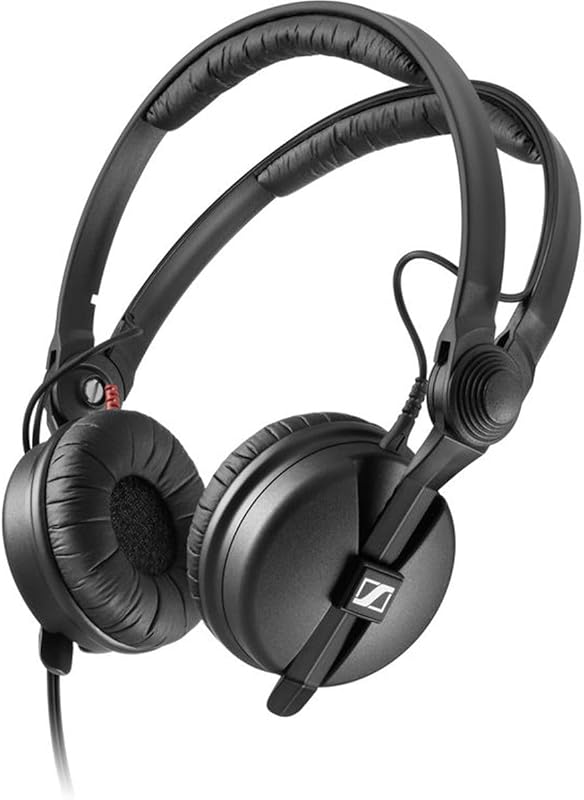
Lastly, we're going to round out the list with the tiniest yet still mighty Sennheiser HD 25 headphones. These headphones sound almost identical to my Dynaudio 6-inch monitors in my studio.
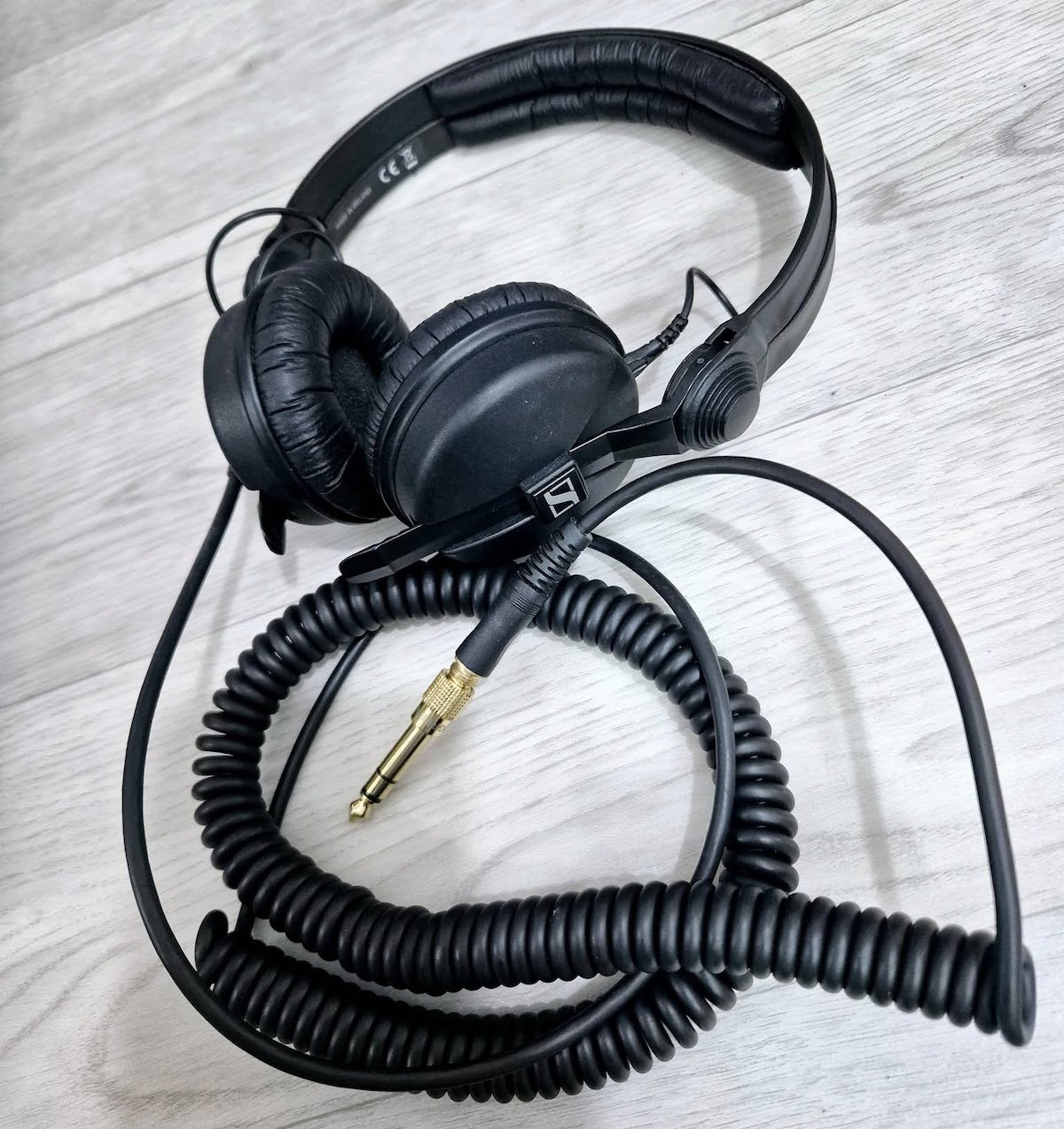
Sennheiser HD 25
I initially bought these headphones because I wanted a lightweight pair of non-consumer brand headphones for listening to music on international flights.
I asked an engineer friend which over-ear headphones he preferred for listening to Spotify, and he insisted I try these.
Like many other producers, I occasionally indulge in listening to my own Spotify playlist of everything I've produced. I reference it particularly after a few years have passed to see how the tracks hold up.
When I revisited several vocal-heavy tracks I hadn't heard in a while, they sounded incredible through these headphones. The mix matched what I remembered hearing through my studio monitors.
After landing, I texted my friend to thank him for the recommendation and asked if he ever mixed with them. He said he did, frequently — their lightweight aluminum voice coils give them high sensitivity, allowing them to handle high volumes without distortion. Despite their small size, they translate both bass and highs exceptionally well.
For those following my advice about pre-mixing before a vocalist arrives, if you lack the budget or inclination to test multiple headphone pairs at a music store, these could be your go-to option. They're versatile enough for content consumption, travel, mixing (yes, really), and vocal tracking.
My reasoning is straightforward: after hearing my familiar tracks through these headphones, I was amazed at how similar they sounded to professional studio monitors. If mastered mixes sound this accurate through these compact headphones, they must be excellent for tracking vocals.
They offer great noise isolation, minimal sound bleeding, and their ultra-light weight won't fatigue the singer — but I primarily recommend them because they deliver incredibly accurate, realistic sound.
Choosing the Best Vocal Recording Headphones
Headphones are the important connection between the track and the singer's performance. Singers hear what's coming through the headphones, and this affects how they sing. It might seem obvious, but sometimes we overlook balancing a mix or selecting the right headphones for the session.
Some producers spend a huge amount on synths, outboard gear, mics, and monitors, but they ignore the headphones. This is a mistake that you should avoid.
Also, keep in mind that the most expensive headphones may not be the best for vocalists. This is where many people make mistakes. Here are some factors that will help you choose the right headphones and improve your performance.
Styles and Genre
You know how picking the right microphone is essential when it comes to recording music, right? Well, choosing the correct headphones is just as crucial. As I mentioned, it's not always about picking the most expensive ones and calling it a day. A lot depends on the kind of music you're producing.
For instance, if you're mainly into electronic or heavy synth music, then you should look for headphones that can handle the low end pretty well. Sennheiser is an excellent option that you might want to check out.
On the other hand, if you're producing folk or acoustic music, you can't go wrong with the impulse response approach of the Beyerdynamic.
But what if you make both? Well, sometimes, it might not hurt to get two very different pairs that can cover all your needs. It's always best to have options, right?
Choose the headphones that best suit your music production needs now.
Comfort
Nothing ruins a session faster than a grumpy, exhausted singer with a pounding headache. Trust me, if you try to point out that they're a little off-key in the second verse, you might just end up with a pair of headphones flying at your head.
Here's a tip that I think can help you make a better decision when buying headphones: make sure to try them on and wear them for at least 30 minutes. This will give you a better idea of how comfortable they are and how they sound in the long run.
Additionally, it might sound silly, but I suggest trying on a baseball cap with the headphones as well. This is because sometimes people wear hats to cover up their hair or simply because they like to look cool during a session. I even had an artist who had a lucky trucker hat which he swore helped him sing in pitch.
This is a true story, folks, and it shows how important it is to be comfortable when trying on headphones, especially if you plan on wearing them for long periods of time.
Headphones with adjustable headbands like the AKG are great choices.
Just always try to be one step ahead of the singer and think about everything they might need to feel comfortable. Believe me, it'll make for a way better performance.
Frequency Translation
When it comes to headphones, it's important to think about how they react to different types of compression. The best choice for you depends on your preferred genre.
If you're someone who loves all kinds of music and just wants one pair of headphones to rule them all, you should consider getting the smoothest response. Brands like Audio Technica or Sennheiser might be a good choice.
If you are a singer-songwriter who prefers the glossy sound of Sony or AKG, then go ahead and use them. Ultimately, it is subjective and personal. For vocals, refer to your style of music. The objective is to get the best performance out of the singer. Let the studio monitors handle the mixing.
Ruggedness and Build Quality
Headphones take a regular beating, whether it's from travel, remote recording, or just the amount of sweat from long sessions. Cans can definitely wear down and start malfunctioning, including their internal components.
If you blast heavy hip-hop and dubstep on a regular basis, you can definitely blow sensitive headphones. Some rappers like it loud! They like themselves even louder. So I would definitely consider testing volume as much as frequency response.
Also, beware of too many fancy thrills in the build. I'm not so convinced that the Shure might be the best headphones for regular use. Maybe if you have a commercial studio, it's one of your pairs, but I'm not sure it should be your only pair.
Closing Thoughts
Recording singers is probably the most important part of any song's production. If the song has a singer, nobody's really going to care how many hours you spent tweaking those sick synth sounds or automating the reverb returns. The listener's attention will be on the vocals and delivery.
It can be pretty nerve-wracking, especially if you're the singer. At some point, you lose all objectivity and either think you crushed it when you really didn't, or become way too critical of yourself and end up feeling like an impostor. It happens to all of us, even when we're just doing some simple demos.
But I have to say, headphones have come a long way and that's definitely helped ease some of the stress during vocal sessions. I remember the days when you'd have to go into Pro Tools after a session just to snip out all the gaps between words because the headphone bleed was so bad.
It sounded like you put a high-pass filter on the whole track on purpose and ran it through the mic!
If you focus on what you're trying to achieve with your artist or vocalist and choose your headphones accordingly, I think you'll already be one step ahead in getting that killer vocal for your next hit track.
