
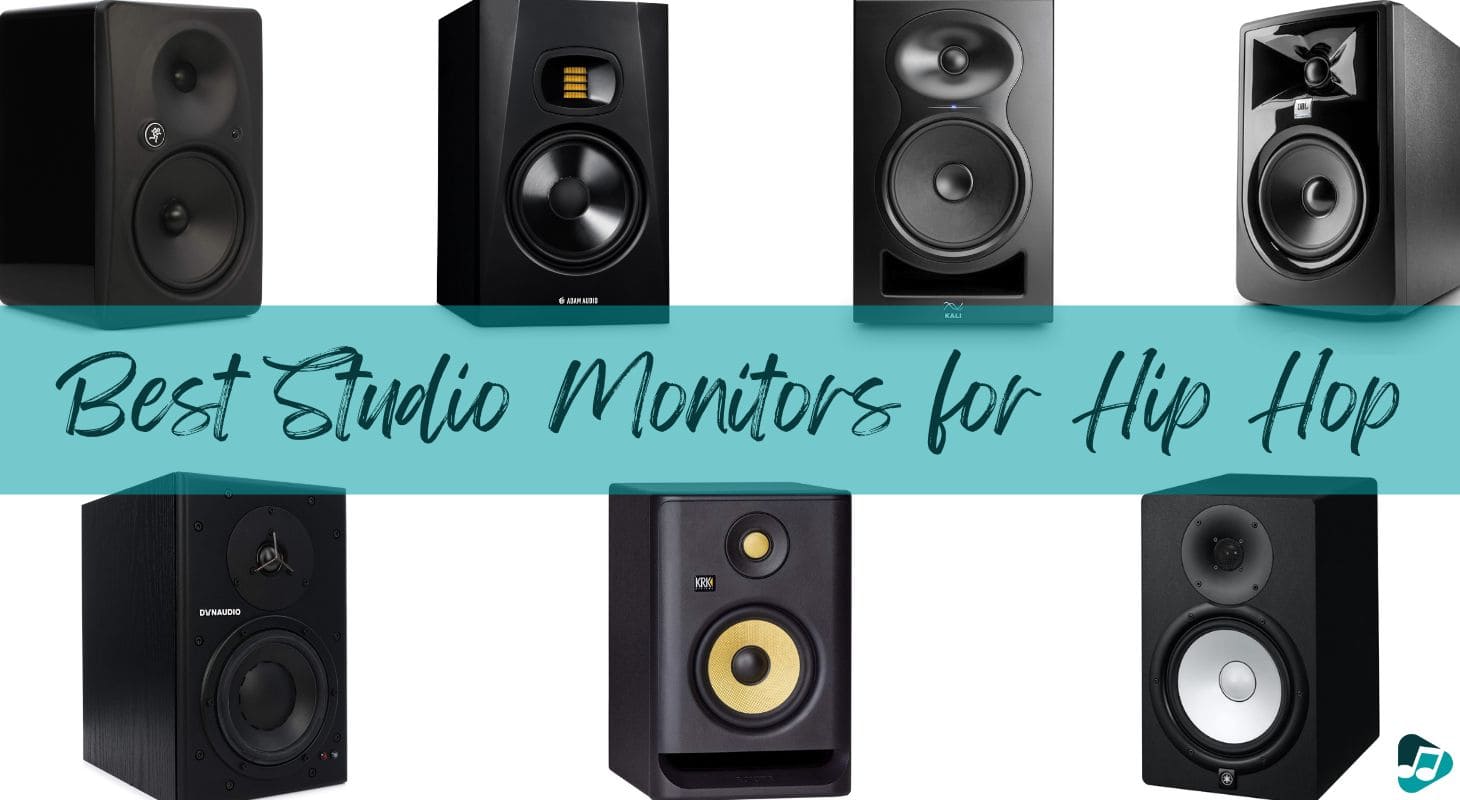
If you are just getting into hip hop and rap production, a good set of monitors is vital. Without them you won’t be able to judge if what you are producing sounds good or not.
To that end, here is a quick look at some of the best studio monitors for producing hip hop and rap music.
8 Best Studio Monitors for Hip Hop & Rap
1. Yamaha HS8
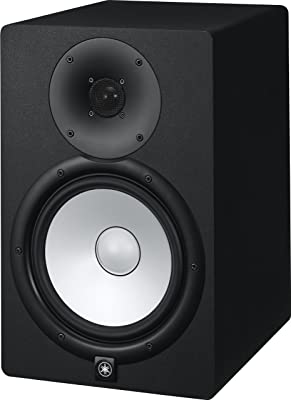
Since they launched their NS-10 speakers in 1978, Yamaha has been one of the most common names in professional audio. Their equipment can be found in both home and professional studios.
Believe me, I’ve seen countless Yamaha monitors in studios ranging from basements to glass-and-steel tower buildings.
The HS8 isn’t just a look-a-like of that legendary line, it’s one of their best monitors. Contrary to their predecessors, these are active speakers propelling 120 watts of power with a quality in sound that some monitors twice the price can’t even compete with.
Plus, since they’re bi-amped, you get a dedicated transformer and power amp for the woofer and another for the driver.
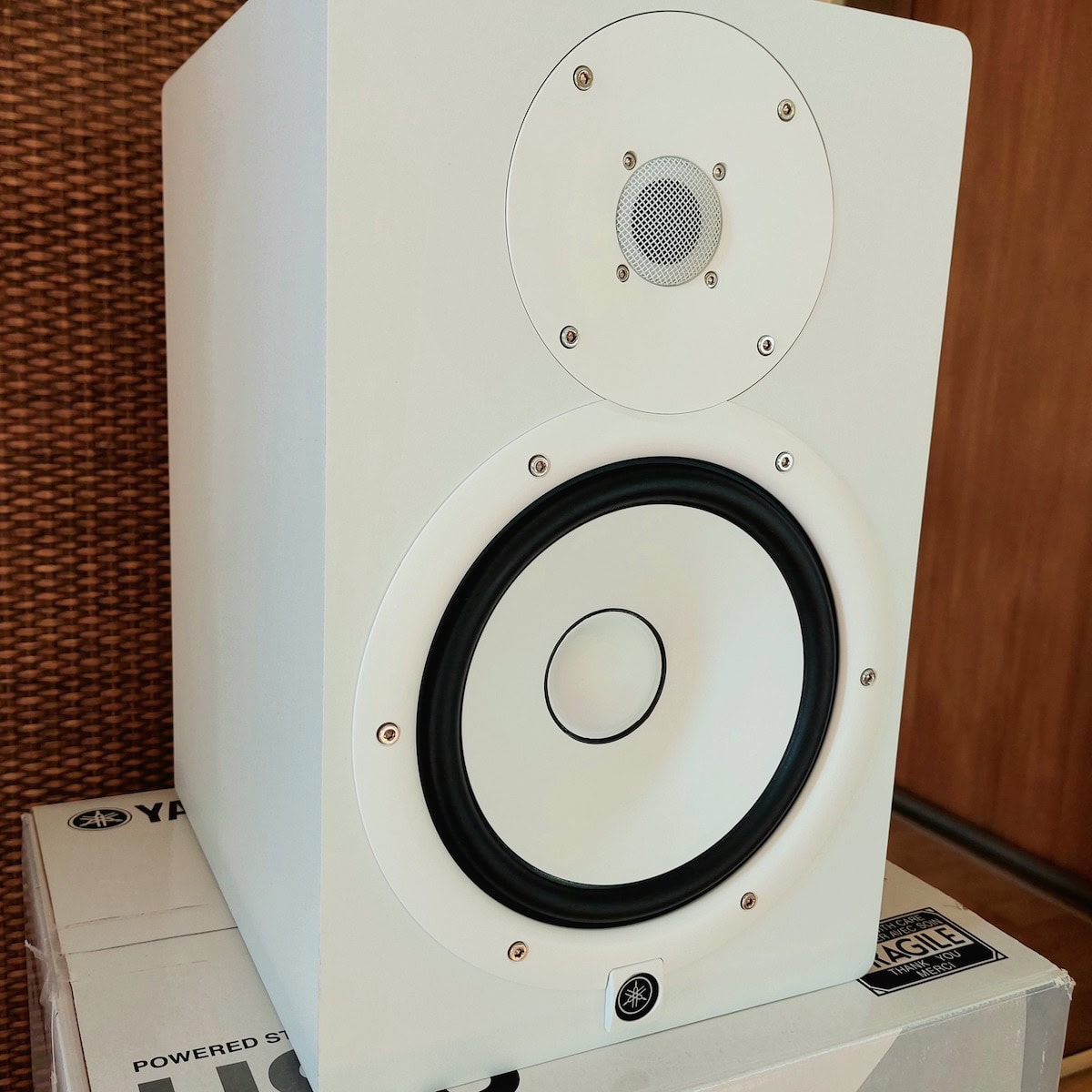
Yamaha HS8
This monitor sounds fantastic across the frequency spectrum, which is surprisingly wide, going from 38Hz to 30kHz. The low end is meaty and has a great thump to it. The bass is especially impressive for how powerful it is. Believe me, you won’t be needing a subwoofer with the HS8.
I tried it with a classic, “Around the World,” by the Red Hot Chili Peppers, and there was more than enough bottom-end to shake the world at our feet.
Also, the mids are deep with a nice warmth, so John Frusciante’s guitar had that Straty snap. The highs are crisp and crystal clear, I could hear every little nuance on Anthony’s voice. On top of that, you have a very flat frequency response for accurate sound.
I mean, it sounds great, but you don’t get the oversized bottom-end or bump in the mids you’d get in a speaker made for parties, this is strictly studio equipment. So, what you get is the real sound with brutal honesty.
It’s great for a hip-hop oriented studio, but not suitable to DJ at a party.
There is also a nice tightness to the sound. I never felt like the bass was overpowering or the highs were piercing.
If you make very bass heavy hip hop and rap, the low end is going to make it pop. Perhaps, if your beats are more into lo-fi territory, or melody driven, the mids and highs are going to make each of your mixes crisp and smooth.
At the back you have controls for High Trim and Room Control. I found the Room Control especially useful.
If you have the HS8 set up close to a wall, you can adjust the Room Control to prevent bass buildup, keeping the sound clean.
These are 8 inch speakers, So, they aren’t the most budget friendly. They also take up quite a bit of space on a desk. The HS8s also come in an install version if space is limited.
So, if you’re looking for a set of powerful, low-end savvy, brutally honest speakers and these fit your budget, you have to check them out.
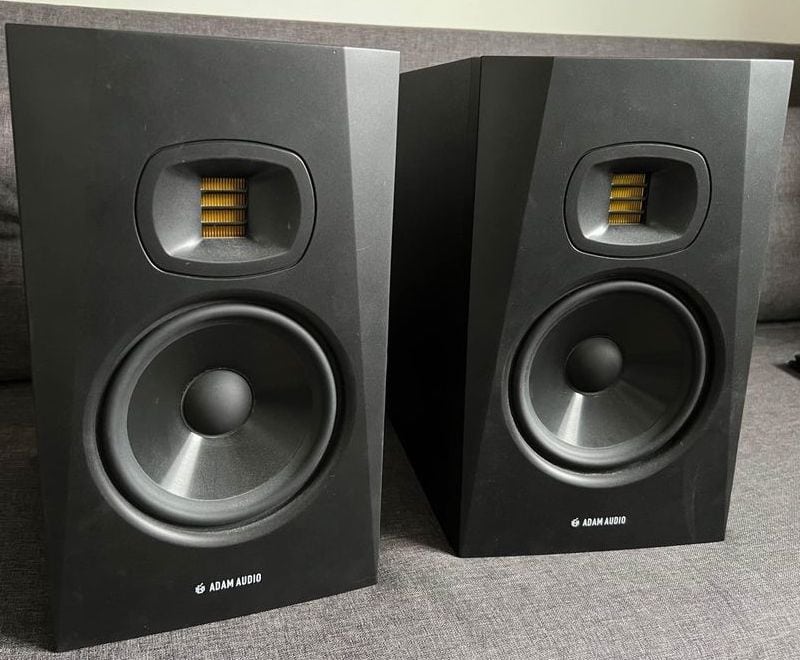
2. ADAM Audio T7V
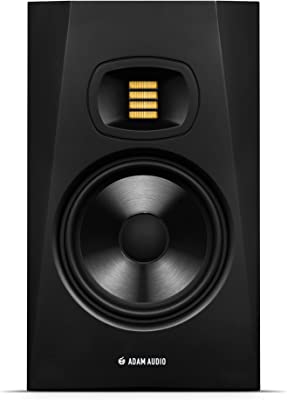
ADAM Audio has won over many professionals with their outstanding AX and S series monitors. Their T series, like the T7V, is their way into the entry-level market.
As every product you’d buy from Adam, you only expect top-notch sound quality. Well, these monitors aren´t at all an exception to that rule. On the contrary, this pair is definitely a worthy contender in the entry-level range of monitors. The T7V is not only well designed, but it also offers a fantastic audio experience.
ADAM Audio T7V
The first thing I noticed as soon as I fired them up was that highs are clear and refined, while the bass is punchy and responsive. The mids are also clear and smooth, although I did notice a little bit of mush in the lower mids. Not too noticeable to hamper the experience, but it is there.
One thing you have to know if you’re new to Adam speakers is that they’re built differently and excel in delivering the cleanest highs in the market. Their U-Art tweeter is a game changer when it comes to clarity, and you can tell in the first minute of listening to a song.
So, for example, I played Luniz’s “I Got 5 On It” and the high bells on that beat never sounded so pristine and defined. Although it’s not the widest frequency range on this list, going up to 25 kHz is great if you’re adding that kind of element to your beats.
The bass is a different story. I moved to another classic “Check Yo Self” by Ice Cube and the beat didn’t sound as big. So, if you are working with a lot of bass, which is often the case with rap and hip hop, I would recommend a subwoofer. The bass is strong enough on the monitors alone, but they certainly benefit from a sub for those very deep lows.
The best way I can describe the overall sound is transparent. Every detail is crisp and clearly audible.
If your songs are very busy with a ton of effects and instruments, being able to hear everything clearly is vital. With the T7V you will be able to create some very complex hip hop tracks. Layers is the name of the game for these speakers.
Something that I appreciate is the look of the T7V. Monitors tend too look a bit same-y. But ADAM Audio has at least given the tweeter a distinct look and added some angles to the front of the monitor. This isn’t a big deal, but it is a nice way of making the monitors a bit more visually appealing.
One thing, though, I can’t understand is who put the power-on light in the back of the unit. Is a completely no-brainer. Luckily for me, the wall behind the monitors is white, so I could see the light going on.
For ultimate clarity, this is a great pair of studio monitors. For a bigger bass sound, you’ll be better off with something else.
3. Kali Audio LP-6 V2
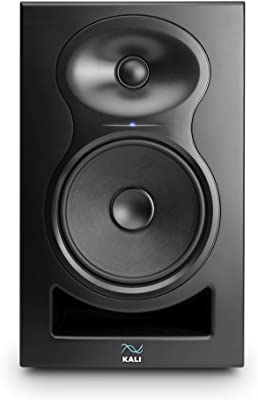
Kali Audio is constantly surprising me with the excellent quality of their monitors. The LP-6 V2, an updated version of the LP-6, has quickly become my favorite monitor of theirs.
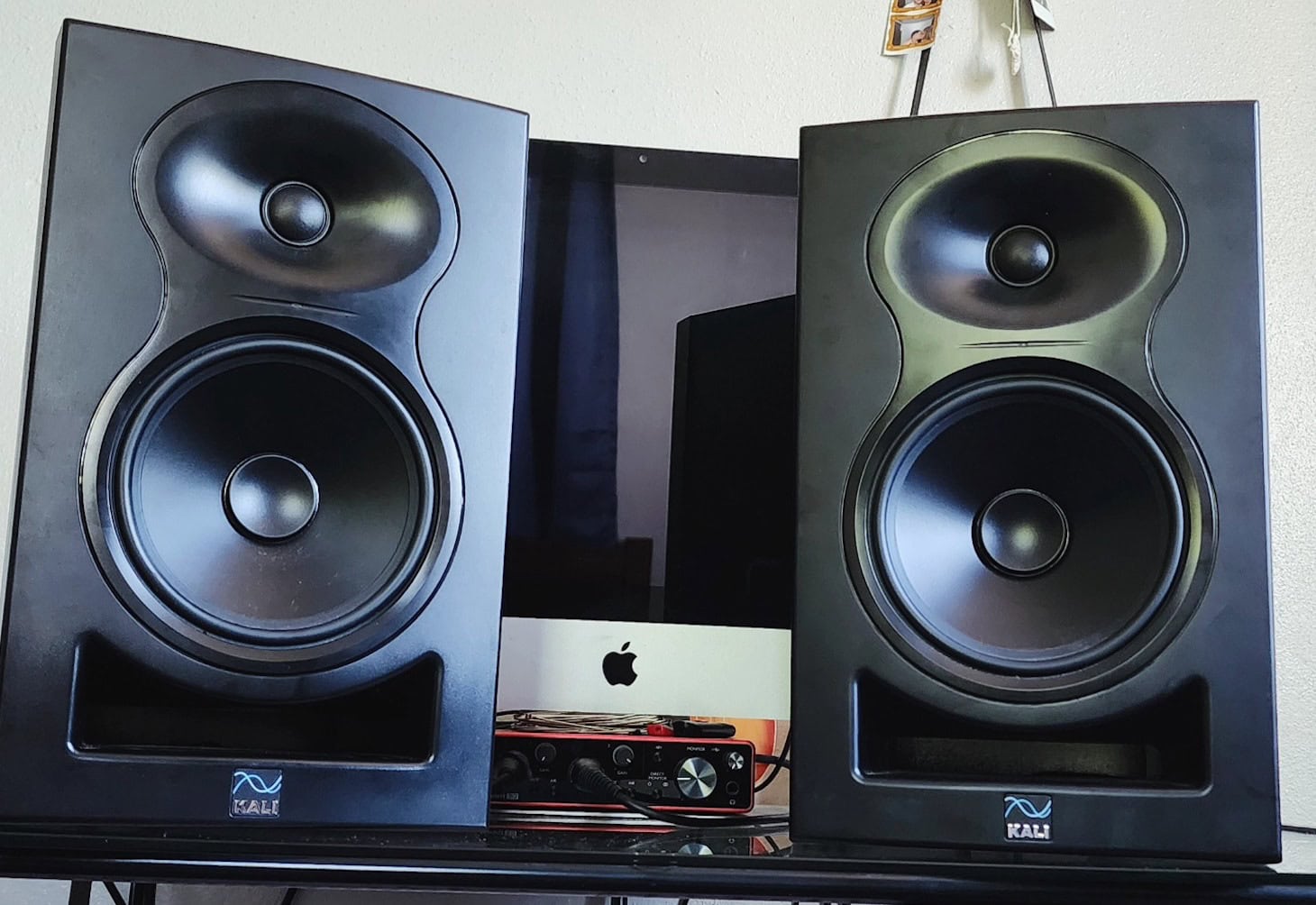
Kali Audio LP-6 V2
The V2 might be an updated LP-6, but I feel like it is a totally new monitor. The improvements made over the previous version are just incredible.
The first thing I noticed was how quiet these speakers are. I did my homework and was pleased to find my ears had a correct lead. Yes, the company managed to reduce the self noise by 12dB from their first wave to now. They achieved that by completely replacing the amplifier inside the speakers.
This is not a minor detail if you’re mixing in a small space. I mean, 6.5” speakers are the perfect size for narrow-field positioning. So, having clean power when the speakers are so close to you feels great.
Clarity is present across the frequency range. The highs are crisp, without ever becoming harsh or too bright.
The mids are full, rich, and well rounded. Vocals are especially nice, which is great since hip hop and rap vocals are mostly in the midrange. I tried this with an old-school tune that’s not too big on bass but needs much clarity, as is “Can I Get A…” by Jay-Z. I was simply amazed at how the midrange could define the vocals even in such a crowded space.
That said, the low end is the real stand out for me. It has a lovely warmth and depth to it, while still being punchy and accurate. Much of it has to do with the frontal port tube. It clears air forward so you can avoid bass build up and mechanical noises even if you’re very close to the wall.
If you make hip hop that is a bit lighter on bass, I think you might be inclined to start adding more once you have listened to the V2.
As for the size and power, it is nice to have a monitor that is a middle ground between 5 and 8 inch monitors. Sometimes 5 inches isn’t enough, but 8 inches is too much. The V2 sits in that Goldie Locks space, just right.
Apart from the sound, my favorite part of this monitor is the handy diagram at the back. This shows you the best RCA settings for the monitor depending on its positioning and whether it is mounted or not.
Believe me, the people at Kali Audio did a lot of R&D and these settings in the back can fix many issues like reflections and too much bass or harsh highs. So, as a word of advice, pay attention to these settings and try them until you find your room’s sweet spot.
The only downside is that the V2 is only available as individual monitors. No set or bundle options available. That said, if these fit your small space and budget, you have to try them out. They might surprise you as they did with me.
4. JBL 305P MKII
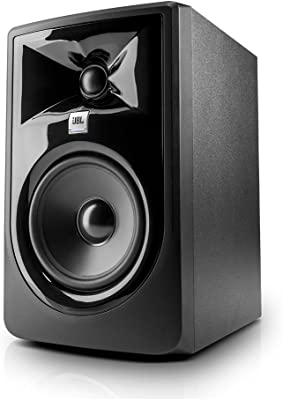
JBL is one of the biggest names in professional audio. They make some of the best monitors on the market.
I know, whenever we see that non-pretentious orange logo, we think two things: awesome and expensive. Well, they don’t just make high end monitors. The 305P MKII is proof that the same attention to detail and amazing sound can be achieved on a tight budget. These are not just some of their best entry-level monitors, but excellent entry-level monitors in general.
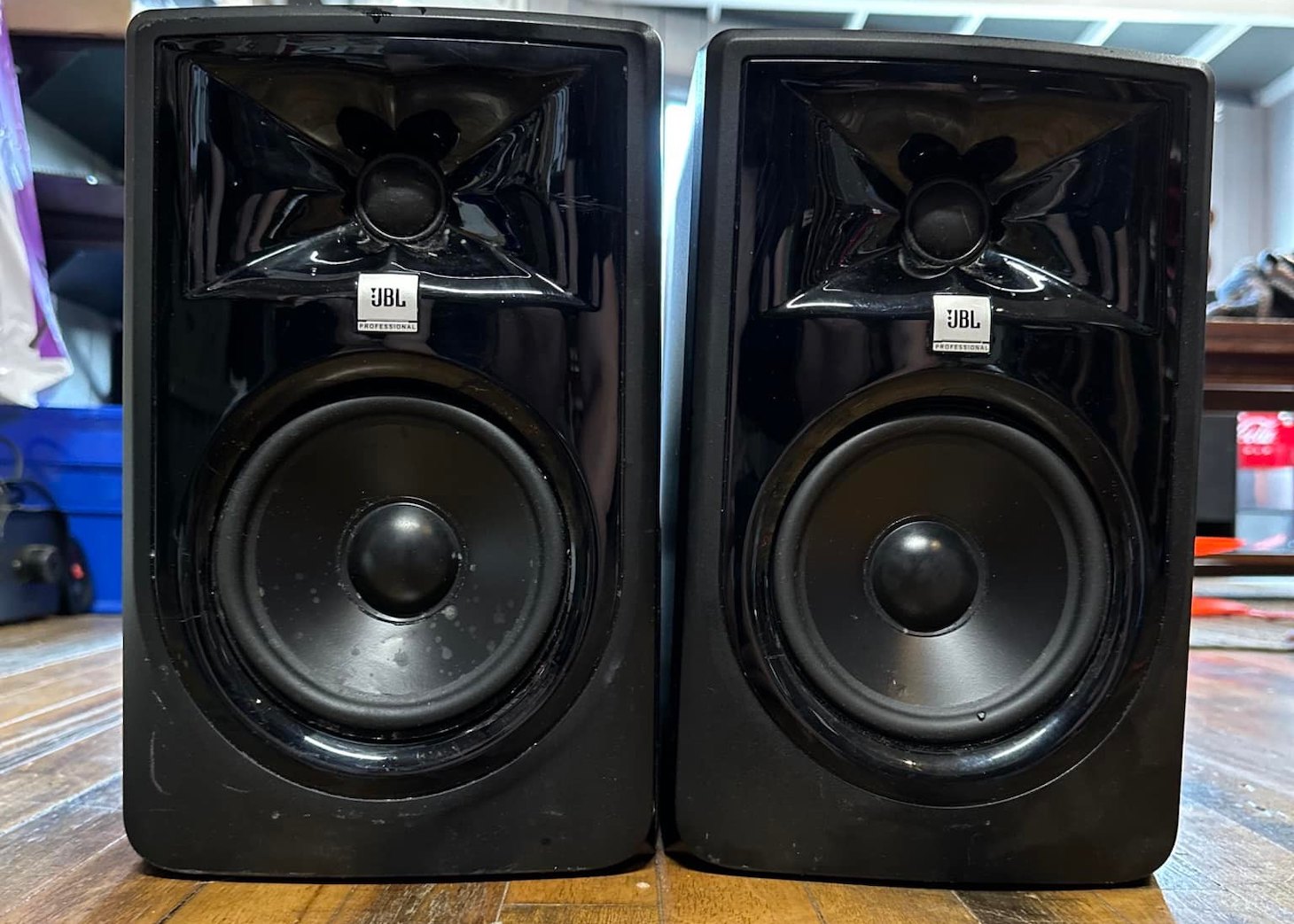
JBL 305P MkII
I don’t know if you’ve ever come across a state-of-the-art JBL M2 flagship speakers. These are some of the best monitors humankind has ever produced and also bear a price tag into the five digits.
Well, the same technology that made the M2 a milestone in speaker history is applied to this new line for an outstanding result with an approachable price tag.
The highs and mids are both crisp and clear. But the lows are where the 305P really performs.
For hip hop and rap producers, I think you will be quite impressed with the low end. There is some extra emphasis on the low end, giving the 305Ps some heavy, punchy bass.
I was very impressed by how big these monitors sound. This is thanks to JBL’s Image Control Waveguide, giving the speaker a wider sound stage. Even though this is a smaller monitor, they work great in a larger studio.
One thing I noticed was that the monitors have a slight hiss. This seems to only occur at low volumes, with medium and high volume having no issues. It isn’t too bad, but it is enough to be noticeable.
I mean, don’t get me wrong, some hiss is expected at this price range, especially if you don’t have a fully grounded power grid at home. The thing with these JBL speakers is that these are close-range speakers. The hiss gets annoying when it’s so close to your ears all the time.
That said, the flat EQ curve really helps hearing fatigue and the hiss doesn’t change with gain, so it’s only there when the speakers are idle or you’re working at very low volume.
The frequency response is also not as wide as in other 5 inch monitors. The frequency range is 49Hz to 20kHz, so you will be missing out on some detail in the low and high end.
The 305P is also fairly lightweight and compact, compared to other 5 inch monitors. They are pretty easy to move around, and they don’t take up too much space. Great if you don’t have a ton of real estate left on your desk.
If you’re after a pair of monitors that punch above their weight and can live with a little hiss, give these a try.
5. KRK ROKIT 5 G5
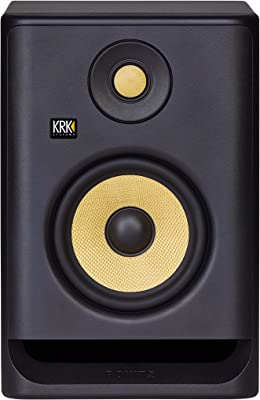
KRK is no stranger to professional audio. Their monitors can be found in many home and professional studios around the world. I’ve used them myself more times than I can count and have witnessed the different iterations until we got here, to Generation 5.
Let me begin by saying that the ROKIT 5 G5 is a great upgrade from the G4. KRK is one of those companies that really listens to their customers and then acts upon what they hear.
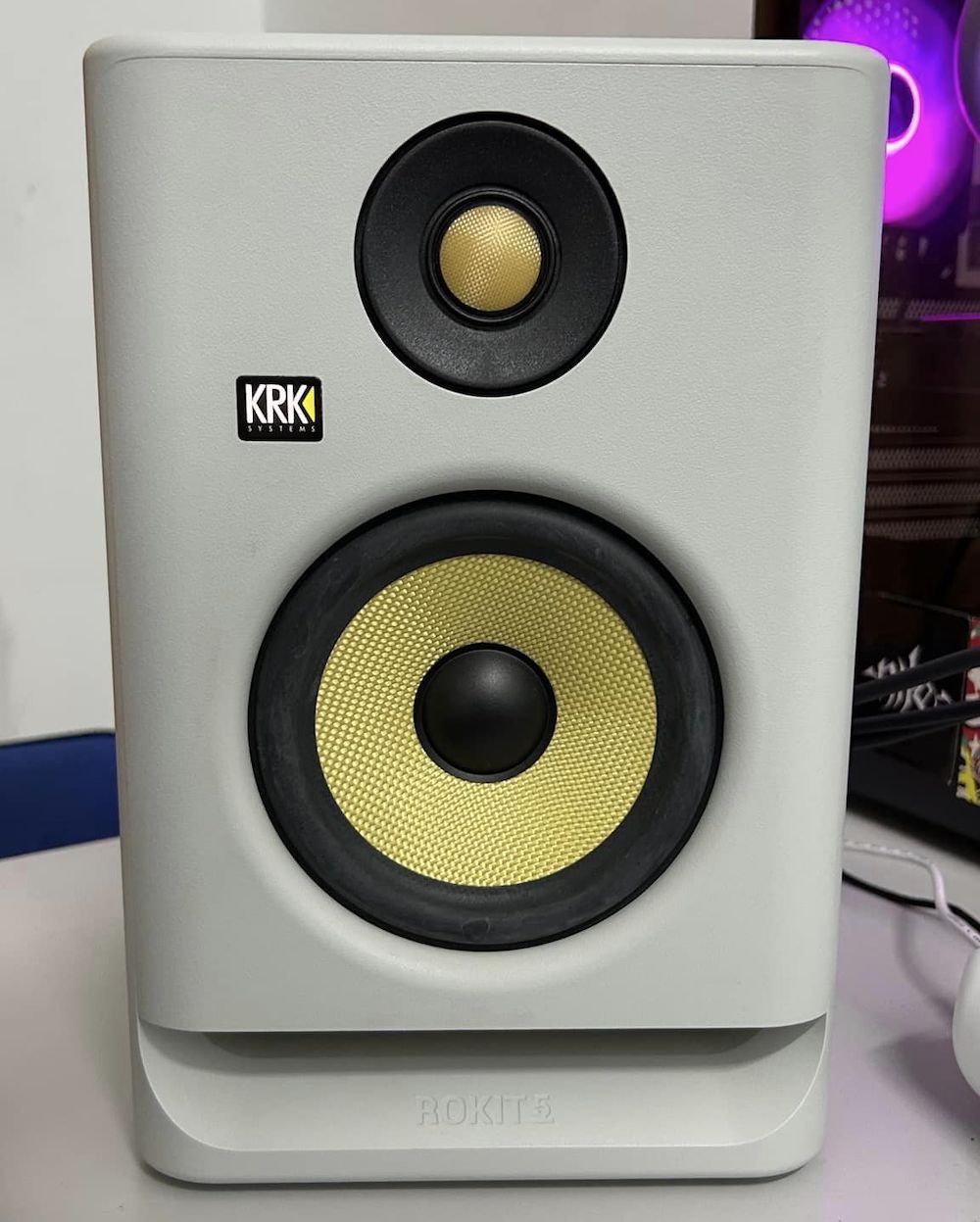
KRK ROKIT 5 G5
The G5 has a much better balance than the G4. The lows and highs are less pronounced, giving a much more even listening experience.
The redesigned front facing port has also added extra punch and definition to the low end. This makes the G5 much better suited for hip hop and rap producers. In the same vein, the magnetic replaceable front grid is a great asset. This is especially true if you’re moving around with them; the grill can be a lifesaver.
The ROKIT 5 also has some great features. You can download the KRK app that allows control over the monitor to the room.
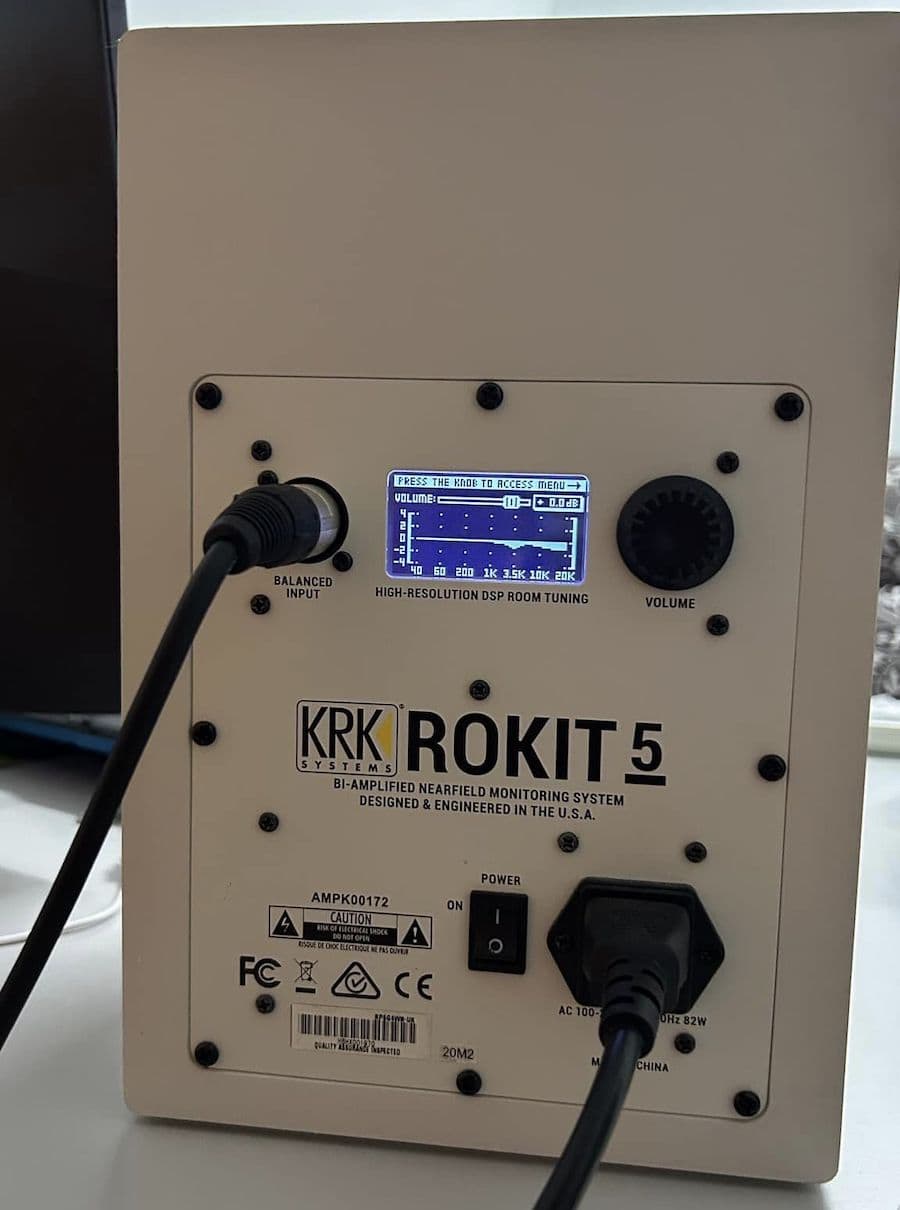
KRK ROKIT 5 G5 - built-in monitor at the back.
With the app, you can adjust the EQ on the monitor and even use it to calibrate the monitor. This is an easy and convenient way to set the monitors up according to your room for the best sound.
What impressed me the most is the frequency response of the ROKIT 5. Somehow, KRK has managed to give the ROKIT 5 a frequency response of 40Hz to 40kHz.
That is more than some high end monitors. That is more than I think I have ever seen on a 5 inch monitor.
The G4 of the KRK Rokit 5 didn’t have a flat response. There are dips and boosts here and there, so sound recreation isn’t as accurate as on other monitors. Despite that, I would say the frequency response is still flat enough and your mixing didn’t really suffer for it.
But that’s old news because this Gen 5 comes equipped with an LCD display on the back of the speaker and 25 different EQ configurations to maximize performance regardless of the room. Yet, that’s not all. The speakers also come with three modes:
- Mix - It gets as flat as possible and is great for mixing, mastering, and editing.
- Create - The speakers turn into fun, music-oriented speakers allowing you to create while hearing your equipment as a live session.
- Focus - The EQ is a center peak, focusing on the midrange. This is critical to spot problems in the vocals, which are paramount for hip hop; they lead the way.
The KRK G5 just got much better. If you haven’t already, it’s high time you give them a try; they’ll surprise you.
6. Mackie HR 824
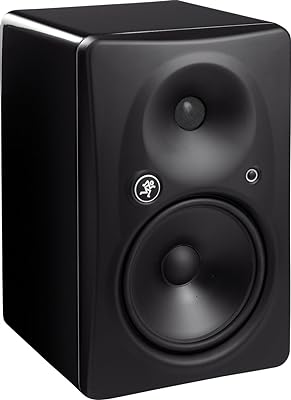
For mixing modern beats in trap, hip-hop, and rap, I rely heavily on my Mackie HR 824 monitors. I previously used the Mark 1 version, but this upgrade is exceptional.
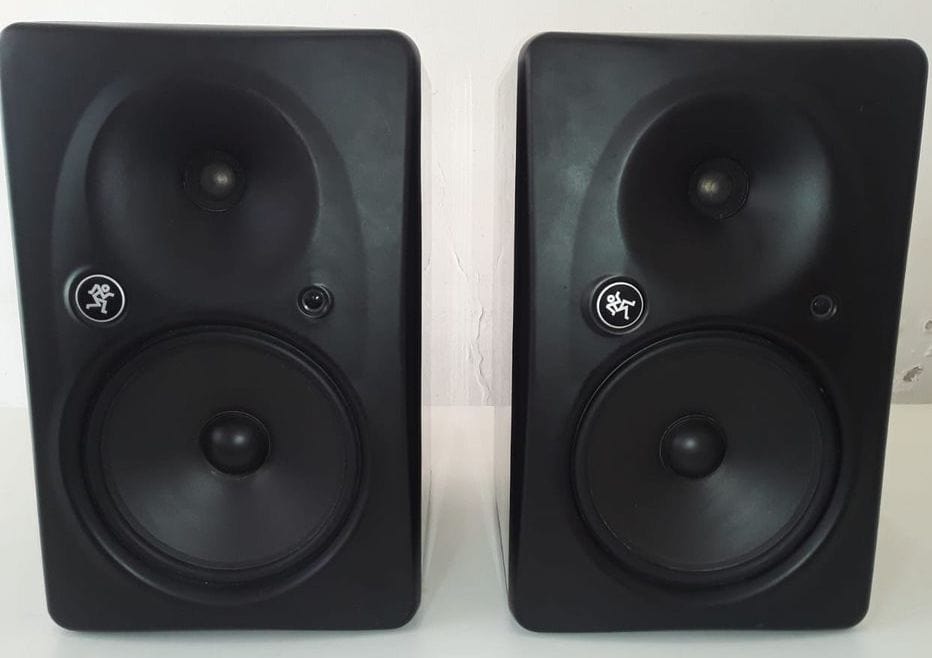
Mackie HR 824 MK2
When Mackie initially released these monitors, many high-end engineers were doubtful. This was because Mackie is known more for level and PA system type monitoring.
However, when the reviews started pouring in, many in the dance and hip-hop communities were amazed at the bass these monitors could reproduce.
The frequency response specs are 37 Hz to 20 kHz, which is impressive for a system without a subwoofer. What really stands out is how it creates the bass.
Using a technology called zero-edge baffle design, they've managed to create an acoustic transducer that captures the attack of sounds excellently.
What makes these monitors ideal for hip-hop is their ability to capture the transient attack of the 808 kicks and the overall punch in the 90 - 180 Hz range, contrary to the common belief that the punch in hip-hop comes from the subs.
These monitors accurately capture that range. They also have excellent power amplification, something Mackie has always been known for.
By using a fast recovery (FR) amplifier, the woofer recovers at a faster speed than usual, allowing it to constantly be at its optimal range for percussive sounds and kicks.
Despite the limited high-frequency range, the 1-inch titanium dome tweeter has a very accurate and neutral tone while still sounding polished. This is essential for producing great hi-hats and synth tones, which are equally important for hip-hop and rap music.
The only issue I've had with these monitors is that I've blown a woofer before, but that could have been due to me turning the volume up too high! I can't help it; they just sound that good.
7. Barefoot Sound Footprint02
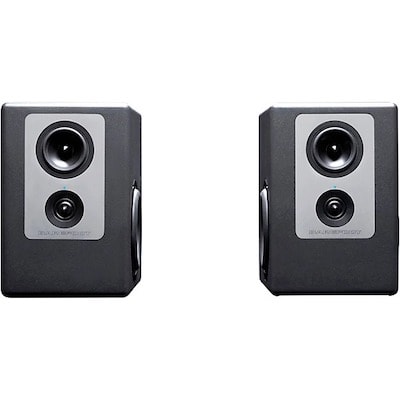
For all EDM fans, Barefoot Sound monitors are a common sight in big producers' studios, from deadmau5 to Calvin Harris. These artists mix their music through these high-quality monitors.
As the worlds of hip-hop and electronic music have merged, hip-hop and rap artists like Drake, Timbaland, and Snoop Dogg have also adopted Barefoot monitors.
These Barefoot Footprint02 monitors are known for their massive sound, despite the relatively small size. These are the monitors you'll want to crank up when the label head is reviewing and approving your record; they'll be up and bouncing with joy hearing the beats come through these monitors.
Barefoot monitors are active three-way monitors that consist of a 1-inch dual ring radiator tweeter, a 4-inch aluminum cone mid-range driver, and two opposing 6.5-inch dual force subwoofers. Interestingly, the subwoofers are on the side of the speaker, not on the front like most woofers.
The Class D Design amplifiers are part of what makes these monitors special. Each speaker has a DSP crossover and its own driver, so the subwoofers receive 200W while the high-frequency drivers get 150W.
As if all of this wasn't enough, they come loaded with MEME technology, which stands for Multi Emphasis Monitor Emulation. This feature virtually transforms your monitors into other popular monitors, such as vintage and consumer playback, and many other popular ways of listening to music.
This is an innovative solution to the ongoing challenge of mixing in hi-fi setups and professional studios: how will it sound through cheap computer speakers or car speakers?
This is usually something addressed during the mastering session, but now you can actually mix through different consumer scenarios, which is very useful, especially for hip-hop.
8. Dynaudio BM6A
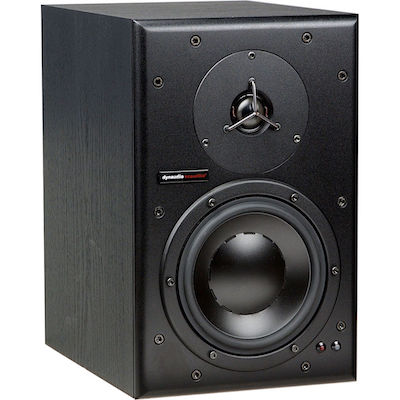
The Dynaudio BM6A, a true and ruthless speaker, is a worthy replacement for my old NS 10 monitors. Its sound is polished and beautiful, yet unforgiving if your mix is off.
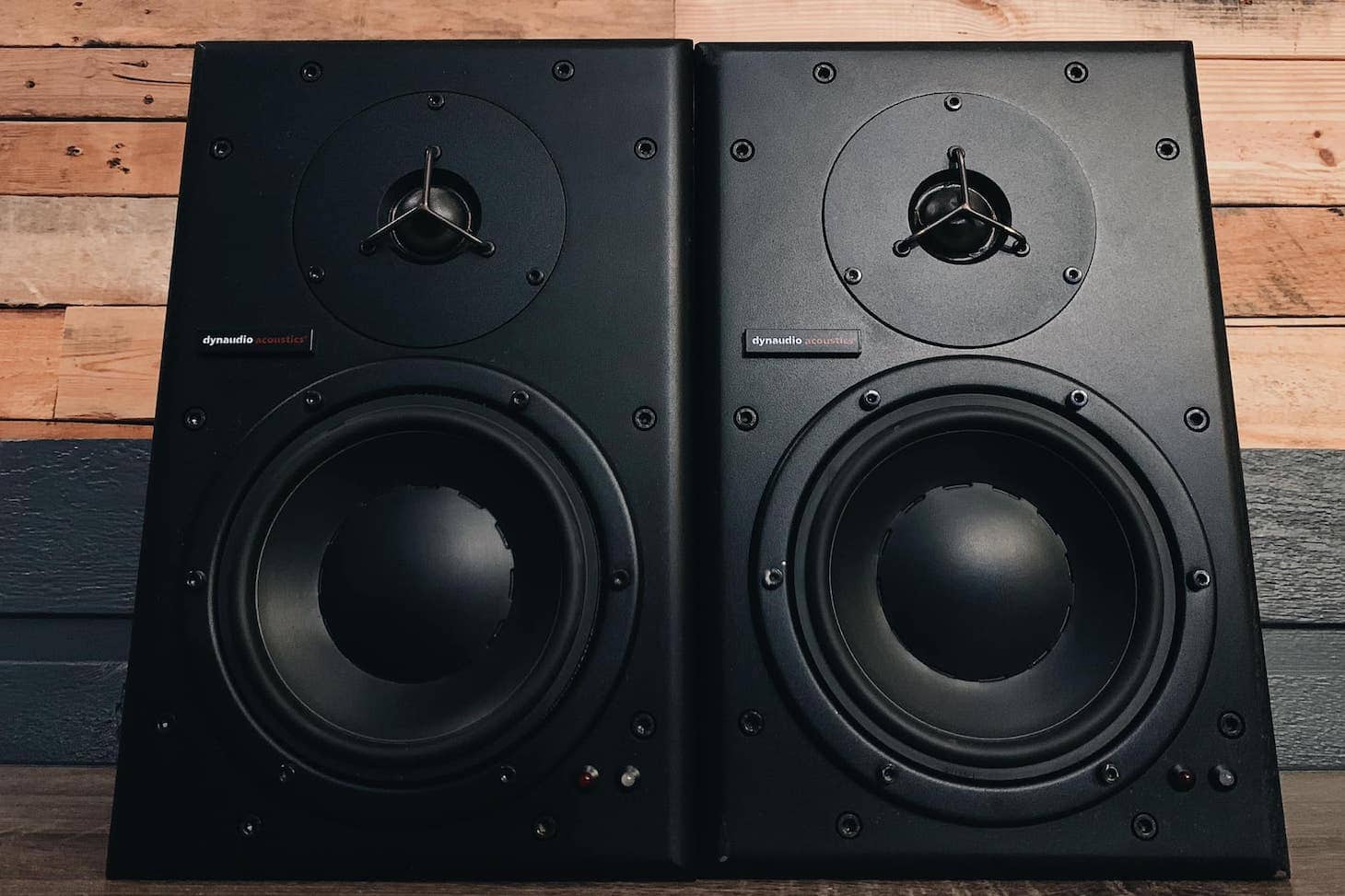
Dynaudio BM6A
This is ideal for hip-hop and rap, as the wide range of frequencies - from high lead synths to sub 808 kicks and Moog basses - requires absolute accuracy.
I primarily use my BM6A for vocals. While some speakers may sound great and glossy, they might overemphasize the highs and lows, creating a misleading impression of where the vocal sits.
This is not the case with the BM6A. It offers a perfect stereo image, and whether you're listening through AirPods or Coachella stage speakers, I'm confident that your vocals will translate well.
Another advantage of these speakers is the clean bass produced by the 6.7-inch woofer. Although the bass only goes down to 41 Hz, the overtones are very true, and mine reflect around 34 Hz.
They also have a great tuning system and a bass reflex back cabinet that minimizes false perceptions of excessive bass.
The BM6A is ideal for hip-hop and rap due to its magnesium silicate polymer frequency driver, which provides an excellent transient response for beats. Although the tweeter only goes up to 21 Hz on paper, I've used these speakers with a Manley Massive Passive EQ that shelves up to 27 kHz, and I've heard overtones and harmonics of up to 28 kHz.
The design of these speakers, combined with the excellent SPL handling, provides one of the most precise and clean signals for mixing bass-driven music such as dance, hip-hop, and rap - a credit to their MOSFET amplifiers.
My only wish is that these monitors were a bit lighter. Their solid construction makes them quite heavy, requiring a sturdy stand.
Choosing the Right Monitors for Hip Hop and Rap Production
If you want to make the best hip hop and rap possible, you are going to need the right set of monitors. Here are a few things to consider when picking out a set of monitors.
Active vs Passive
Monitors come in two varieties: active and passive.
Active monitors have a built in amp that requires batteries or an external power supply to work. Passive monitors don’t have a built in amp and require an external one.
Along with this, active monitors usually have additional features like mic preamps, EQ, etc. This needs to all be added externally with passive monitors.
This does mean that passive monitors are generally much cheaper than active monitors. However, the cost of adding an external amp and other features can quickly increase the total cost.
Active monitors are a good all-in-one solution. Good active monitors also don’t have to set you back thousands of dollars. Even if you are just starting out, active monitors are a better option since they will give you more to work with for longer.
Size
While it is easy to assume that bigger is better, this isn’t really the case. Just because a monitor is bigger, doesn’t automatically mean that you are going to get a better sound.
You should keep in mind the size of your studio. Sound bounces around, and bigger monitors generally produce more power. This in turn creates more sound, which will then bounce around more.
If your studio is in a small room, maybe your bedroom even, smaller monitors will be better. You will have less sound bouncing around that could end up ruining the overall sound, affecting your ability to mix and master.
Space
You also need to consider the space available. Are you placing the monitors on your desk or are you mounting them?
Larger monitors will need more space on a desk, or behind it if you are mounting them. Smaller monitors will, of course, need less space.
You also need to consider the space available between you and the monitors, as well as between the monitors themselves. The reason for this is that you want the monitors to be equidistant from each other and from you.
This simply means that the distance between the monitors, and the distance between them and you, is the same. Larger monitors need to be further from you and each other than smaller monitors.
Frequency Response
Frequency response refers to how a monitor reacts to certain frequencies. In other words how it boosts or suppresses a frequency.
The ideal monitor will have as flat a frequency response as possible. Meaning that no frequencies are being boosted or suppressed more than any others.
You also don’t want monitors that color frequencies. This is so that you are present with a neutral tone that is as accurate as possible.
Since hip hop and rap consists of a lot of beats, rhythms, and samples, it is important that the sound doesn’t change anywhere. This is so that you are able to fine tune as accurately as possible.
But since there is also a great emphasis on bass in hip hop, you want monitors that have a good low end response. Make sure the monitor covers a wide range of low frequencies, and is able of producing a punchy, impactful bass.
Most good monitors won’t require a subwoofer. But make sure the monitor has good bass before buying it.
Tuning Features
Finally, as the frequency response can vary depending on your room's acoustics and monitor placement, I advise hip-hop and rap producers to purchase monitors that can be tuned to their specific spaces.
This includes the ability to adjust bass or treble based on the room's reflections. Although bass and sub-bass are crucial for hip-hop and rap, they must be accurately represented.
Hearing a subharmonic reflection from your cabinet bouncing off a wall due to close proximity, without any adjustment, could be detrimental. Monitors like the Mackies and Dynaudios offer a variety of tuning tools, conveniently located on the speaker's back.
Some speakers even have digital DSP capabilities to optimize their placement and performance within a room. While these features may entail a higher cost, they are well worth it, in my opinion.
Closing Thoughts
This is certainly not a definitive list of the best studio monitors for hip hop and rap. These are just a handful of my favorites.
This article should as serve as a good starting point for gauging what to look for in a good hip hop studio monitor.
