
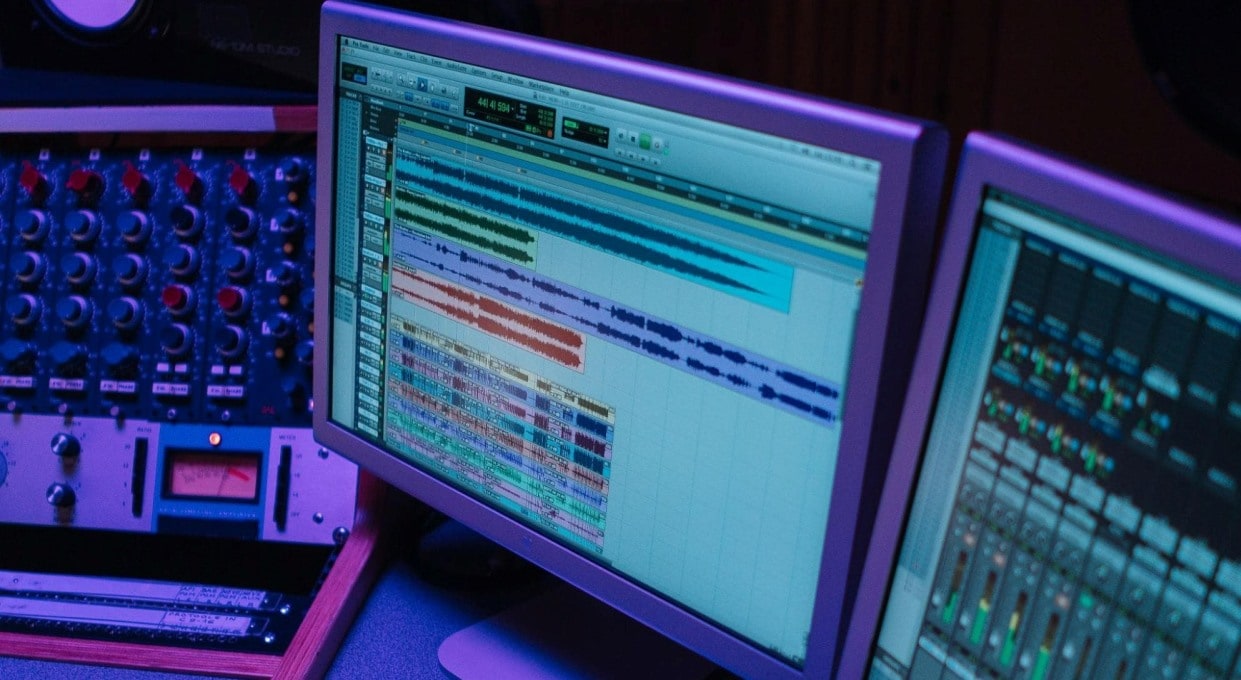
Each year, there’s always a new kid on the block at the NAMM show, promising a plugin that’s the spitting image of real hardware. It’s a claim we’ve all heard before, with many people happily using these plugins without ever comparing them to the real thing.
Unlike some people, I love to test new plugins, especially if they claim to mimic gear I own. I always approach it with an open mind — if it sounds fantastic and closely mirrors a piece of equipment I’ve invested in, why wouldn’t I use it?
Fascinatingly, a lot of plugins don’t quite capture the spirit of the actual hardware they aim to emulate. Often, these companies target students and budding musicians who are watching their wallets and may not have a chance to compare the plugins with the real analog hardware.
That said, subscription models can be a real bargain for those who aren’t already hardware enthusiasts. Even if a plugin doesn’t sound exactly like the real deal, as long as it sounds good, it’s all gravy.
My only gripe is the overblown marketing claims that the plugins are identical to the hardware — which just isn’t often the case.
For those who, like me, value their sound and have made sacrifices to get their hands on top-tier vintage compressors or tape machine emulators, we’re all singing from the same hymn sheet.
I’m a firm believer in the ‘less is more’ philosophy — owning a few pieces of top-notch analog gear beats having a bunch of mediocre plugins any day of the week.
After extensive testing in my studio, I’ve singled out the plugins that really shine when it comes to emulation. I can say with my hand on my heart that, within a mix, they’re as good as indistinguishable from the real deal.
Table of Contents
The Most Realistic Emulations – Companies that Offer the Real Deal!
Universal Audio
Universal Audio has always been my absolute favorite company. I’ve tried emulations from numerous other companies, but Universal Audio has consistently hit the mark with an impressive 75% accuracy on average.
Sometimes, their emulations are so spot-on that it’s almost eerie. I’ve found myself in situations where I’ve run out of the actual hardware while working on vocals or drums. But then, I’ve turned to the UAD equivalent and have been blown away by how identical it sounds.
It’s like having an extra piece of the real hardware!
There are so many UAD plug-ins that I adore, but the ones that truly hit the bullseye for me are the Manley series and the Culture Vulture.
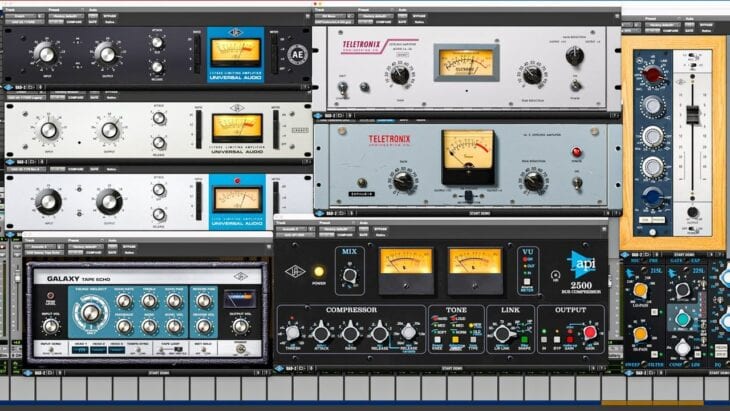
I’m the proud owner of the hardware versions of the Manley Massive Passive and Manley Variable Mu compressors. When UAD first announced that they were modeling these with the official approval and supervision from Manley themselves, I was over the moon with excitement.
I’ll admit, I was a tad skeptical at first. I’ve seen hardware companies attempt budget versions of these two units that didn’t quite hit the mark.
I initially thought the UAD versions would be around 70% to 80% accurate and add a unique flavor, but oh boy, was I wrong. The Variable Mu I would say is 95% identical to the real thing.
The Massive Passive Tube EQ is probably more around 90%. However, let’s remember that when it comes to tube gear, even hardware units with different serial numbers don’t sound the same.
Depending on when you last changed the tubes, there might be times when the plug-in actually sounds better than your actual unit. I know, it sounds unbelievable, but it’s true.
Now, what UAD has modeled that truly blew my mind was the way they implemented distortion, based on how hard you hit the unit. A big round of applause to them for not only having the skills to pull this off, but also the patience.
I’ve heard it took over two years of research and development in collaboration with Manley engineers to bring this plugin to life.
Plugin Alliance
Plugin Alliance brings to the table a variety of awesome plug-ins, both emulations and original ones. While I may not be head over heels for all of them, I have to say their SPL emulations hit the bull’s eye.
As I’ve shared in earlier articles, the SPL Transient Designer has become my secret weapon for quite some time. With a simple twirl of two knobs, it breathes an inexplicable punch, snap, and a modern vibe into beats and synths.
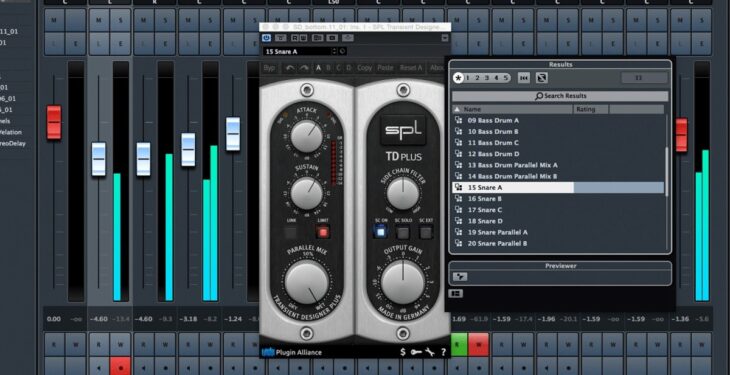
It’s truly a gem. I might even go out on a limb and say the SPL transient designer emulation from Plugin Alliance is almost a mirror image of the original—98% alike!
After a friendly chat with the guys from both Plugin Alliance and SPL, I found out that Plugin Alliance was actually brought to life by a member of the SPL team. This means their plug-in isn’t just an emulation; it’s the actual code of the SPL transient designer, with a few extra goodies added to boost its functionality!
Softube
Softube has come a long way from its humble beginnings, starting with hardware emulations for Native Instruments. They’ve since branched out on their own, crafting some seriously impressive guitar gear.
While I found their early offerings handy, they didn’t quite deliver the same thrill as a real amp.
That all changed when they released their Empirical Labs emulations. I’m a proud owner of both the Empirical Labs Mike-E and the Lil FrEQ EQ hardware, so you can imagine my skepticism when they announced their modeled versions. Especially since I had just welcomed the real ones into my studio four months prior!
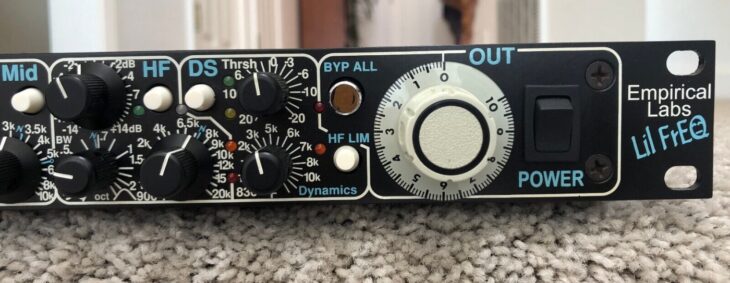
But let me tell you – trying out the emulations didn’t tarnish my love for the actual hardware one bit. They were nearly identical to the real deal, which was both astonishing and slightly unsettling.
I was seriously blown away by how accurately they replicated the saturation from the Distressor which is a key feature of the Mike-E preamp.
I’ll be honest – I’ve never been a big fan of other Distressor and Empirical Labs Fatso emulations. For instance, the UAD versions just didn’t hit the right notes for me.
I think it’s because it’s so tough to mimic the unique solid-state distortion and harmonics of the real units.
But Softube? They totally knocked it out of the park. In a mix, you’d have a hard time telling the real unit from the software plug-in.
Lil FrEQ is also a standout, although I’d peg it at about 95% accuracy. The high-frequency compression doesn’t quite match the real deal, but hey, even 95% is pretty impressive, considering it costs about 26 times less than the hardware!
Solid State Logic
SSL is arguably the most emulated brand in the plugin manufacturing industry. It’s great to see them finally introduce their own heavy hitters.
They’ve cleverly avoided emulating the much-copied SSL 4000 console, instead choosing to model some of their newer units, which they do impressively well.
The emulation of the Fusion rack is as close to the SSL hardware sound as you can get. I would say it’s 99.5% accurate.
The remaining 0.5% is primarily the extra headroom you get from routing out to an analog piece of gear. This isn’t so much a fault of the plugin design itself, as it is the limitation of running all your audio through your computer’s sound card.
SSL previously emulated their SSL 9000 K console with a product called Duende. I didn’t think it sounded like the 9000 K, but an engineer at a NAMM show told me it’s actually ported from one of their high-end digital consoles, the C200.

This console uses digital emulations of the 9000 K.
When I asked what he meant by “ported,” he clarified they took the exact code used in their high-end broadcasting consoles—code that cost hundreds of thousands of dollars to research, emulate, and create—and put it in the plugin.
This means that for under $300, you’re not getting a 95% plugin; you’re getting a 100% accurate copy of the SSL C200, which is an incredible console in its own right. Naturally, I purchased the SSL Native Series and haven’t regretted it for a single day.
They’re truly unbelievable.
Final Thoughts
You know, the old Analog versus Digital debate has pretty much settled down these days. Even if things don’t sound exactly identical, these four companies I’ve mentioned have really gone the extra mile to bring us as close as they possibly can to their hardware equivalents.
What they’ve brilliantly achieved, and why their plugins sound so good, is that they’ve managed to emulate the quirks and idiosyncrasies that made the originals so memorable. It’s a bit tricky to get your head around, but if you’re familiar with some of the original hardware, you’ll know they had their quirks.
Some distorted in all the wrong ways and didn’t always behave as they should when you tweaked certain settings. Heck, even the same device could behave differently from day to day.
What these companies have done is create algorithms that intentionally make mistakes, scientifically and mathematically, to mimic how tubes sound when they’re starting to age, or how different settings don’t always correspond exactly to their original design.
It’s pretty amazing! I’ve had the pleasure of chatting with some of these tech wizards, and they confess to having sat there, tirelessly modeling the un-modelable. Now, if that’s not true art, I don’t know what is!
